What Causes Groin Pain
Groin pain is a common musculoskeletal condition affecting individuals who frequently walk, run, participate in sports, or exercise regularly. It is also commonly seen in people who spend prolonged periods sitting at work or repeatedly use their hip and thigh muscles during daily activities.
Symptoms often begin as mild tightness or discomfort in the groin and may gradually worsen, making it difficult to walk, climb stairs, stand up from a seated position, or participate in physical activities.
Groin pain does not have a single cause. It may originate from the muscles, tendons, hip joint, or other structures surrounding the pelvis. Therefore, identifying the underlying cause through a comprehensive assessment is the most important first step before beginning treatment.
Common Causes of Groin Pain
Groin pain can be caused by many factors, such as:
- Tight, strained, or torn adductor (groin) muscles
- Inflammation or strain of the hip flexor muscles
- Overuse injuries from walking, running, or sports activities
- Abnormal hip joint movement or biomechanics
- Weak core muscles, placing excessive stress on the hips and groin
- Sports injuries involving rapid changes of direction, such as soccer, badminton, or tennis
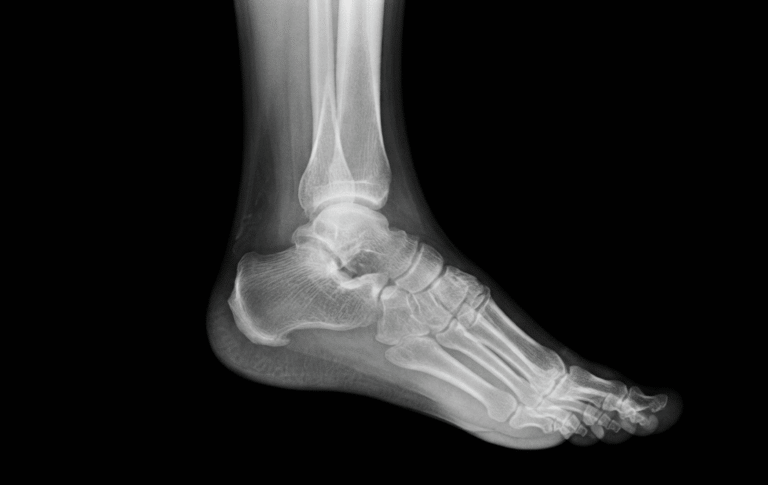
- Hip joint disorders or an inguinal hernia, which may require further medical evaluation
Although symptoms may appear similar, the appropriate treatment varies depending on the underlying cause. An accurate diagnosis is essential for developing an effective treatment plan.
When Should You Seek Treatment?
You should consider a professional evaluation if you experience any of the following:
- Groin pain while walking, running, or exercising
- Pain when lifting, abducting, or adducting your leg
- Pain when standing up from a chair or climbing stairs
- Tightness along the inner thigh
- Pain lasting longer than 1–2 weeks
- Symptoms that do not improve with rest
- Pain that interferes with your daily activities or exercise routine
If left untreated, the condition may become chronic, affecting mobility and increasing the risk of re-injury.
Comprehensive Assessment at Greenbell Medical Clinic
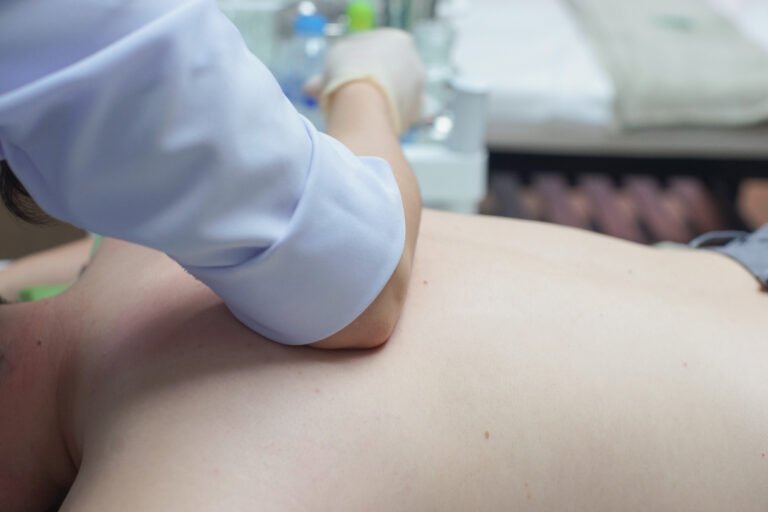
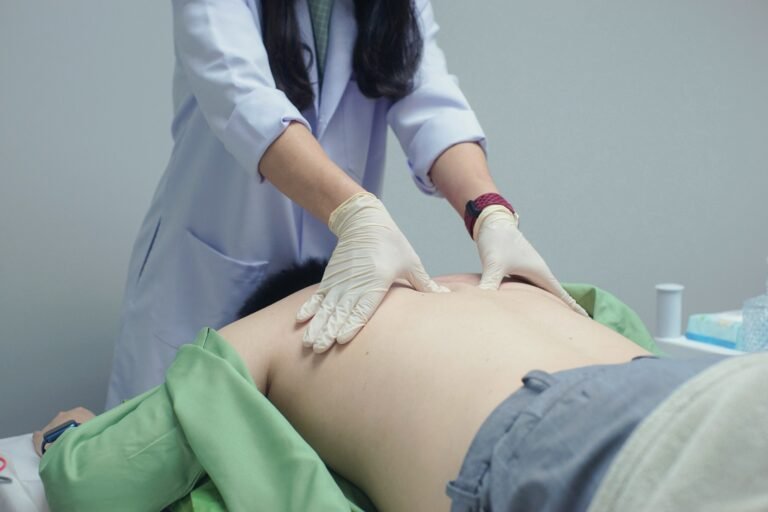
At Greenbell Medical Clinic, every patient undergoes a thorough assessment by our licensed physical therapists before treatment begins. The goal is to identify the true source of your pain, whether it originates from the muscles, tendons, hip joint, or abnormal movement patterns.
Your evaluation may include:
- A detailed medical history and symptom review
- Hip range of motion (ROM) assessment
- Muscle strength testing
- Flexibility assessment of the hip and thigh muscles
- Gait and movement analysis
- Evaluation of daily activities or sports that may contribute to your symptoms
Based on the assessment findings, our team develops a personalized treatment plan tailored to your specific condition and rehabilitation goals.
Treatment Options for Groin Pain
Shockwave Therapy
Shockwave Therapy uses acoustic waves to help reduce pain, stimulate tissue healing, and promote recovery in chronic muscle and tendon injuries. This treatment is recommended based on the physical therapist’s clinical assessment and the patient’s individual condition.
Ultrasound Therapy
Therapeutic ultrasound uses high-frequency sound waves to reduce inflammation, improve local blood circulation, and facilitate tissue healing during the recovery process.
Therapeutic Exercise
Every patient receives a customized exercise program designed to strengthen the hip muscles, adductor muscles, and core musculature. These exercises help restore normal movement patterns, improve joint stability, and reduce the likelihood of future injuries.
Movement and Activity Modification
Our physical therapists provide individualized guidance on walking, running, exercise techniques, posture, and daily movement habits to minimize excessive stress on the groin and prevent symptom recurrence.
Why Choose Greenbell Medical Clinic?
At Greenbell Medical Clinic, we believe that successful treatment goes beyond simply relieving pain—it begins by identifying and treating the underlying cause.
Our multidisciplinary team of physicians and licensed physical therapists works collaboratively to develop individualized treatment plans while closely monitoring each patient’s progress. Through evidence-based rehabilitation and personalized care, we aim to restore mobility, improve function, and help prevent future episodes of groin pain.
How to Prevent Groin Pain
While some cases of groin pain result from acute injuries, many can be prevented through proper conditioning and body mechanics.
We recommend the following preventive measures:
- Warm up thoroughly before every workout or sporting activity.
- Stretch your hip and thigh muscles regularly.
- Strengthen your core muscles to improve pelvic and hip stability.
- Avoid increasing exercise intensity too quickly.
- Wear appropriate footwear for your activity.
- Rest when discomfort first develops and avoid pushing through pain.
Consult Our Specialists at Greenbell Medical Clinic
If you are experiencing groin pain while walking, running, exercising, or performing everyday activities, early evaluation can help identify the underlying cause and ensure you receive the most appropriate treatment.
At Greenbell Medical Clinic, our experienced physicians and licensed physical therapists provide comprehensive assessments and personalized rehabilitation programs designed to help you recover safely, restore normal movement, and return confidently to your daily activities.
Schedule your appointment today and take the first step toward lasting relief from groin pain.
Frequently Asked Questions (FAQ)
What causes groin pain?
The most common causes include adductor muscle strain, hip flexor injuries, overuse, sports-related injuries, hip joint disorders, and other musculoskeletal conditions affecting the groin region.
Can groin pain resolve on its own?
Mild muscle strains may improve with rest and temporary activity modification. However, persistent or recurrent groin pain should be evaluated by a healthcare professional to determine the underlying cause and prevent chronic injury.
Can physical therapy help treat groin pain?
Yes. Physical therapy is considered one of the primary conservative treatment options for groin pain. A personalized rehabilitation program can help reduce pain, restore muscle function, improve hip mobility, and decrease the risk of recurrence.
When should I see a physician or physical therapist?
You should seek medical evaluation if your pain persists for more than one to two weeks, significantly affects walking or daily activities, is accompanied by swelling or bruising, or fails to improve despite rest.