Bojin (拨筋, Bō Jīn)
What Is Bojin?
Bojin (拨筋, Bō Jīn) is a Traditional Chinese Medicine (TCM) manual therapy that focuses on releasing tension in the muscles, tendons, and fascia—the connective tissue network that supports and links structures throughout the body.
When muscles or fascia become tight, restricted, or inflamed due to repetitive movements, prolonged sitting, sports activities, or injury, they may contribute to pain, stiffness, reduced mobility, or numbness.
Bojin utilizes specialized TCM techniques to release fascial restrictions and tendon tension, helping restore normal movement while promoting the circulation of Qi (vital energy) and Blood according to Traditional Chinese Medicine principles.
Principles of Bojin Therapy
According to Traditional Chinese Medicine, pain often results from stagnation of Qi and Blood, leading to reduced flexibility and restricted movement of the muscles and tendons.
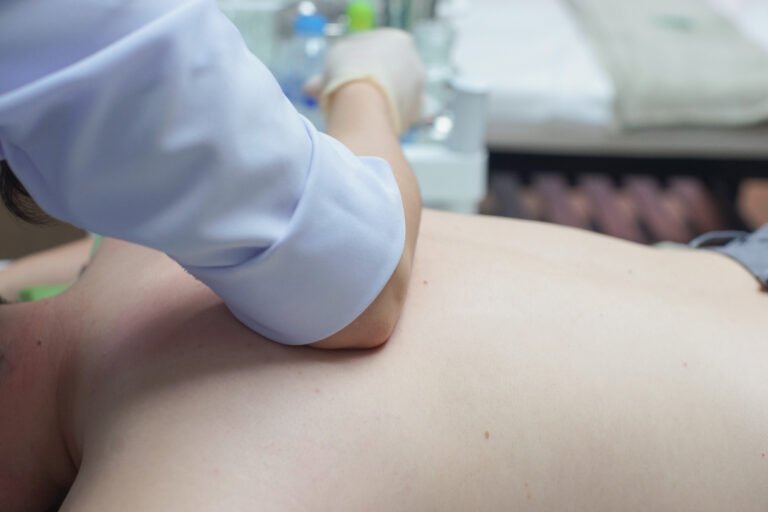
During treatment, the practitioner first identifies the underlying cause of the discomfort through a comprehensive assessment. Using the hands or specialized Bojin tools, areas of tension within the muscles, fascia, and tendons are carefully released along the body’s meridian pathways. The goal is to restore balance, improve mobility, and support the body’s natural healing processes.
What Conditions Can Bojin Help With?
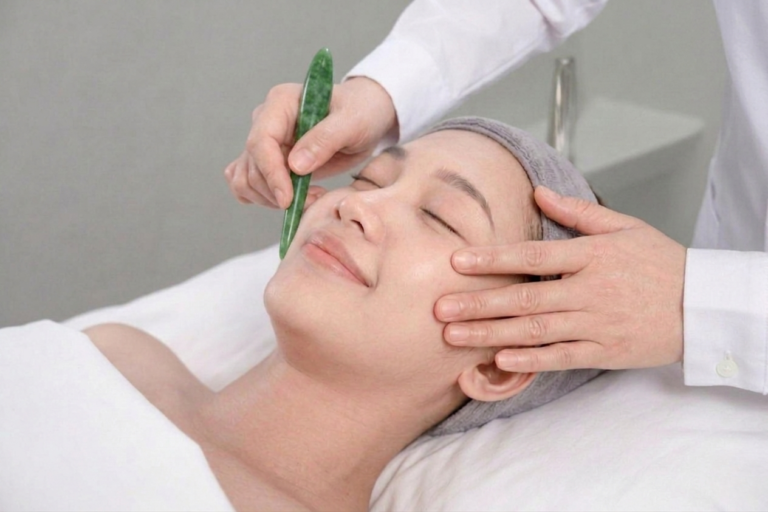
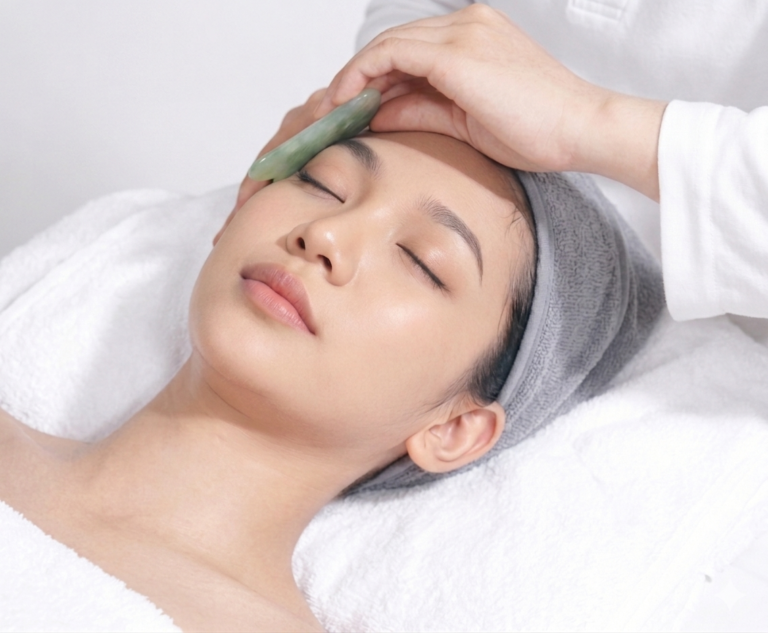
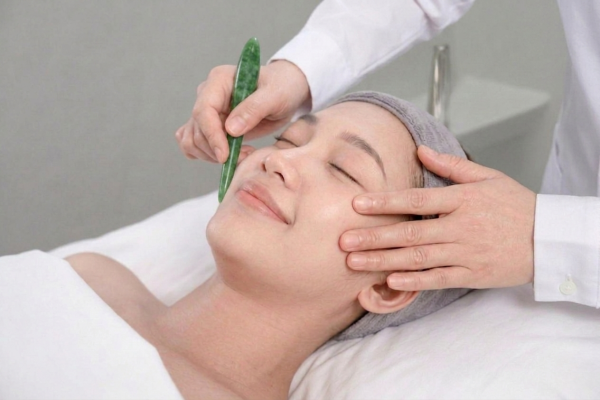
Facial Bojin may be suitable for people experiencing facial or jaw muscle tension and fatigue caused by everyday activities, such as:
Facial muscle tension or fatigue
Jaw tension from teeth clenching or grinding
Tightness around the jaw and temples
A feeling of heaviness or fatigue in the face from repetitive muscle use
Tightness around the cheeks and jawline
Tension around the face and jaw area
Those looking to relax their facial muscles
Facial Bojin may help relax the facial and jaw muscles, relieve the feeling of tension, and leave the face feeling lighter and more relaxed after the treatment.
Results may vary from person to person depending on the underlying cause and severity of muscle tension, as well as each individual’s response to the treatment.
How Is Bojin Different from Massage?
Although Bojin is sometimes mistaken for a type of massage, the two treatments have distinct purposes.
Massage Therapy | Bojin Therapy |
Focuses primarily on muscle relaxation | Focuses on releasing fascia, tendons, and areas of tissue restriction |
Provides general relaxation | Aims to address the underlying cause of pain and movement restriction |
Uses conventional massage techniques | Uses specialized techniques based on Traditional Chinese Medicine |
Ideal for relaxation and stress relief | Suitable for chronic pain, muscle tightness, and limited mobility |
Is Bojin Painful?
During treatment, some individuals may experience sensations of tightness, soreness, or mild discomfort when restricted fascia or tight tissues are being released. These sensations are generally considered a normal part of the treatment process.
Your practitioner will adjust the treatment pressure according to your individual tolerance to ensure that the therapy remains safe and comfortable.
After treatment, mild soreness or muscle tenderness may occur for one to three days before gradually improving.
Who Is Bojin Suitable For?
Bojin may be suitable for:
- Office workers who spend long hours sitting
- Individuals with chronic neck, shoulder, or upper back pain
- Athletes and physically active individuals
- People recovering from fascial adhesions following injury
- Individuals experiencing stiffness or restricted movement
- Those seeking to improve muscle function and mobility
Can Bojin Be Combined with Other Treatments?
Yes. In many cases, your TCM practitioner may recommend combining Bojin with other therapies to create a personalized treatment plan based on the underlying cause of your condition.
These may include:
- Acupuncture
- Cupping Therapy
- Gua Sha
- Moxibustion
- Physical Therapy
- Therapeutic Exercise and Rehabilitation
The most appropriate combination of treatments will depend on your individual assessment and clinical condition.
Precautions
Although Bojin is a non-surgical treatment, it may not be suitable for individuals with the following conditions:
- Unhealed fractures
- Open wounds or active skin infections
- Bleeding disorders
- Acute fever or active inflammation
- Pregnancy (certain body regions should be avoided)
- Certain underlying medical conditions that require medical assessment before treatment
A consultation with a qualified practitioner is recommended before beginning treatment.
Why Choose Bojin at Greenbell Medical Clinic?
Bojin therapy involves more than simply releasing tight muscles. Effective treatment requires a thorough understanding of anatomy together with Traditional Chinese Medicine principles to accurately identify the underlying cause of pain and determine the appropriate treatment areas, techniques, and pressure for each individual.
At Greenbell Medical Clinic, our licensed Traditional Chinese Medicine practitioners provide personalized treatment plans tailored to each patient’s condition. When appropriate, Bojin can also be integrated with other TCM therapies and rehabilitation programs to optimize treatment outcomes.
Frequently Asked Questions (FAQ)
How long does a Bojin treatment take?
A typical session lasts approximately 30 to 60 minutes, depending on the treatment area and the individual’s condition.
How many sessions are needed?
Some patients notice improvement after their first treatment. However, the recommended number of sessions depends on the underlying cause, the severity of symptoms, and whether the condition is acute or chronic.
What should I do after Bojin treatment?
After treatment, it is recommended to drink plenty of water, allow your body to rest, and avoid strenuous physical activity for the remainder of the day. Mild soreness may occur temporarily and usually resolves within a few days.
Summary
Bojin (拨筋, Bō Jīn) is a Traditional Chinese Medicine manual therapy that focuses on releasing tension within the fascia, muscles, and tendons to help relieve pain, restore mobility, and promote the healthy circulation of Qi and Blood. It may be beneficial for individuals experiencing Office Syndrome, chronic muscle tightness, sports-related muscle tension, or movement restrictions associated with daily activities.
For optimal safety and effectiveness, Bojin should be performed by a licensed Traditional Chinese Medicine practitioner who can provide an individualized assessment and develop a treatment plan tailored to each patient’s specific needs.