Tuina Massage vs. Regular Massage: 6 Key Differences You Should Know
When people think of massage, they often associate it with relaxation, relief from muscle tension, or reducing everyday aches and fatigue. Tuina (Tui Na), however, is a traditional Chinese medicine (TCM) therapeutic technique with its own principles and specialized methods. The approach is selected according to an individual’s symptoms and physical condition.
Unlike massage that primarily focuses on relaxation, Tuina is one of the therapeutic modalities used in traditional Chinese medicine. It incorporates techniques such as pressing, kneading, rolling, pushing, and guided movement to address musculoskeletal concerns and other conditions within the framework of TCM principles.
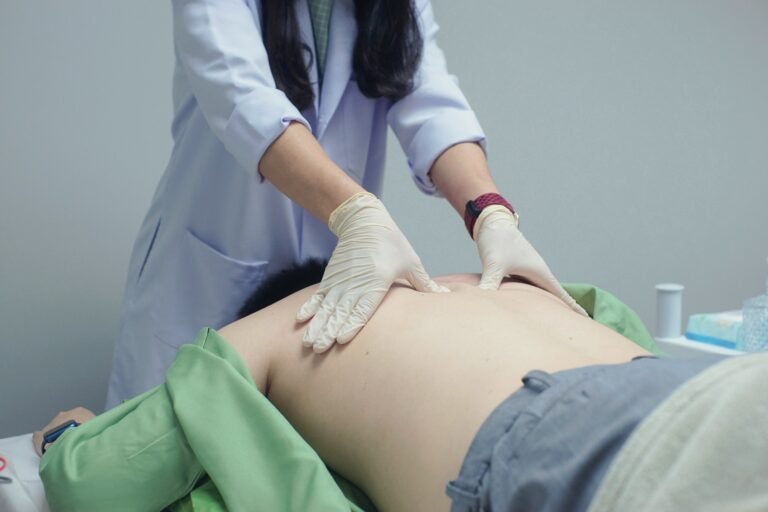
What Is Tuina Massage?
Tuina is a traditional Chinese medicine manual therapy that uses a variety of techniques, including pressing, kneading, rolling, pushing, and movement-based techniques. Treatment is individualized according to the person’s symptoms, physical condition, and treatment needs.
The word “Tuina” is derived from two Chinese terms: Tui, meaning “to push,” and Na, meaning “to grasp.” Together, they describe some of the fundamental manual techniques used in this traditional therapy.
Tuina has been practiced as part of traditional Chinese medicine for centuries and may be used to support the management of certain musculoskeletal concerns, muscle tension, and movement-related discomfort.
It is important to understand that Tuina is not simply about applying stronger pressure than a regular massage. Its distinguishing features include the assessment process, therapeutic principles, selection of techniques, and individualized approach to treatment.
How Does Tuina Massage Work?
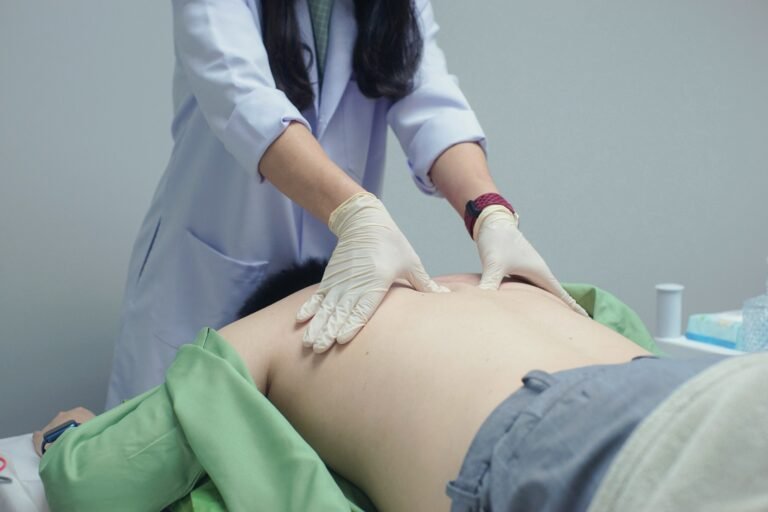
Tuina uses hands-on techniques to apply pressure, movement, and manipulation to specific areas of the body.
Depending on the individual’s condition, a practitioner may use techniques such as:
- Pressing
- Kneading
- Rolling
- Pushing
- Rubbing
- Grasping or mobilizing soft tissues
- Certain movement techniques involving joints
From a traditional Chinese medicine perspective, the practitioner may also consider the relationship between symptoms, meridians, and acupoints when selecting treatment techniques.
The specific approach can vary considerably from one person to another. The goal is not simply to massage the area that feels uncomfortable, but to select techniques that are appropriate for the individual’s overall condition.
How Is Tuina Different from Regular Massage?
Tuina differs from regular massage in its therapeutic goals, assessment process, techniques, treatment principles, and individualized approach.
Relaxation massage generally focuses on promoting relaxation, reducing muscle tension, and relieving everyday fatigue. Tuina, on the other hand, is a therapeutic modality within traditional Chinese medicine that uses specific manual techniques according to TCM principles.
Here are six key differences to understand.
1. The Purpose and Goals of Treatment Are Different
Relaxation massage is generally intended to promote a sense of relaxation, reduce muscle tension, and relieve everyday muscular fatigue associated with physical activity or prolonged use of the body.
Tuina is a therapeutic modality within traditional Chinese medicine that uses specific manual techniques based on TCM principles. It may be incorporated into the management of certain musculoskeletal concerns and other conditions according to an individual’s symptoms and treatment needs.
Therefore, the difference is not simply about how much pressure is applied. It also involves the purpose of treatment and the principles used to select and apply specific techniques.
2. Symptoms and Physical Condition Are Assessed Before Treatment
Before receiving Tuina, the practitioner should ask about the individual’s symptoms and medical history and assess their physical condition to determine which techniques may be appropriate.
The assessment may take into account:
- The location and characteristics of symptoms
- Pain intensity
- Range of motion
- Muscle tension
- Physical limitations
- Relevant medical history
This process helps guide the selection of appropriate techniques and may also identify situations in which further medical assessment or another form of care may be more suitable.
Massage should not be selected based solely on where a person feels pain. The individual’s overall physical condition and any relevant limitations should also be considered.
3. Tuina Uses a Wide Range of Techniques
Tuina is not limited to a single technique such as pressing or kneading. It incorporates a variety of manual techniques, including:
- Pressing
- Kneading
- Rolling
- Pushing
- Rubbing
- Grasping or mobilizing soft tissues
- Certain joint movement techniques
The practitioner can select and adjust the techniques and level of pressure according to the treatment area and the individual’s physical condition.
For this reason, Tuina does not necessarily involve the same techniques or the same level of pressure for every person.
4. Treatment Areas and Acupoints May Be Selected Differently
One of the fundamental concepts of traditional Chinese medicine is considering the relationship between symptoms, meridians, and specific acupoints throughout the body.
As a result, in some cases, the practitioner may apply techniques to an area that is not directly where the person experiences pain. The selection is based on the characteristics of the symptoms and the principles of traditional Chinese medicine.
For example, Zusanli (ST36) is an acupoint located on the front of the lower leg and is one of the well-known acupoints commonly used in traditional Chinese medicine.
However, the selection of specific acupoints or techniques does not mean that everyone with similar symptoms will receive exactly the same treatment. Treatment should be individualized according to the person’s condition and assessment.
5. Techniques Can Be Tailored to Each Individual
Every person is different in terms of age, lifestyle, symptom location, muscle tension, movement patterns, and physical limitations.
For this reason, Tuina techniques can be adapted to the individual’s condition, including the treatment area, techniques used, and level of pressure.
This approach can be described as individualized treatment, in which the treatment plan is adapted to the needs and physical condition of each person.
Therefore, the same technique or level of pressure should not be assumed to be appropriate for everyone.
6. Assessment and Safety Are Important Parts of Treatment
Although Tuina is a non-surgical therapeutic approach, this does not mean that every technique is suitable for everyone.
The practitioner should assess the individual’s symptoms and physical limitations before selecting appropriate techniques, particularly for people with recent injuries, underlying health conditions, a history of surgery, or symptoms that have not yet been diagnosed.
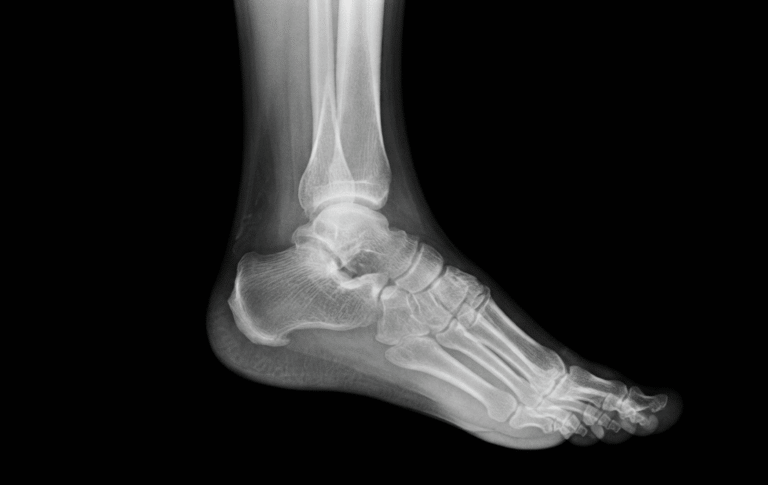
In some cases, if a patient already has relevant medical records or imaging, such as an X-ray, a physician may consider this information together with the patient’s symptoms and physical examination findings when developing an appropriate treatment plan.
An X-ray is not necessary for everyone and should only be considered when clinically appropriate.
Tuina Massage vs. Relaxation Massage: A Comparison
Aspect | Tuina | Relaxation Massage |
Primary purpose | Used as part of care based on traditional Chinese medicine principles | Primarily focuses on relaxation and relieving everyday muscular fatigue |
Assessment | Considers symptoms and physical condition before selecting techniques | Generally focuses on the client’s preferences and areas they would like massaged |
Techniques | Uses a range of manual techniques that can be adapted to the individual | Typically uses techniques intended to promote relaxation and reduce muscle tension |
Treatment areas | May be selected based on symptoms and TCM concepts involving meridians and acupoints | Generally focuses on areas of muscle tension or discomfort |
Practitioner | Depends on the type of healthcare facility and the qualifications of the practitioner | Depends on the type of service provider and the practitioner’s qualifications |
Suitability | An assessment is recommended before selecting appropriate techniques | Clients should inform the practitioner about relevant health conditions and physical limitations |
How Is Zusanli (ST36) Related to Tuina?
Zusanli (ST36) is an acupoint located on the front of the lower leg and is one of the most widely recognized points in traditional Chinese medicine.
According to TCM theory, different points on the body are associated with meridians and the functional systems of the body. As a result, Zusanli may be incorporated into Tuina or other TCM treatment approaches depending on the individual’s symptoms and assessment.
However, treatment should not be determined solely by the location of an acupoint. The selection of points and techniques should take the individual’s symptoms and overall physical condition into consideration.
Who May Benefit from Tuina?
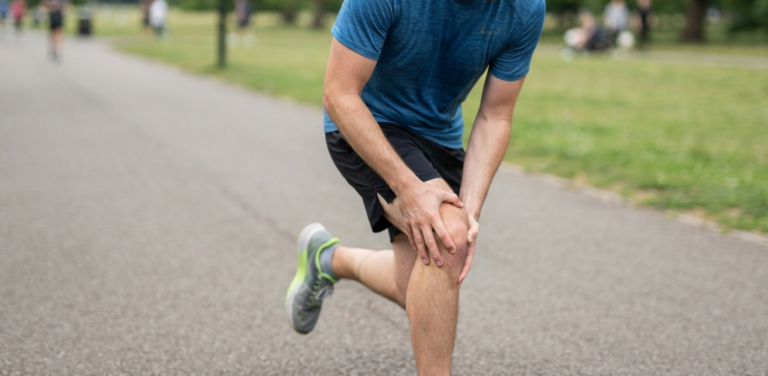
Tuina may be an option for people seeking care for certain musculoskeletal concerns or those interested in therapeutic approaches based on traditional Chinese medicine.
Examples of concerns that may be discussed with a qualified practitioner include:
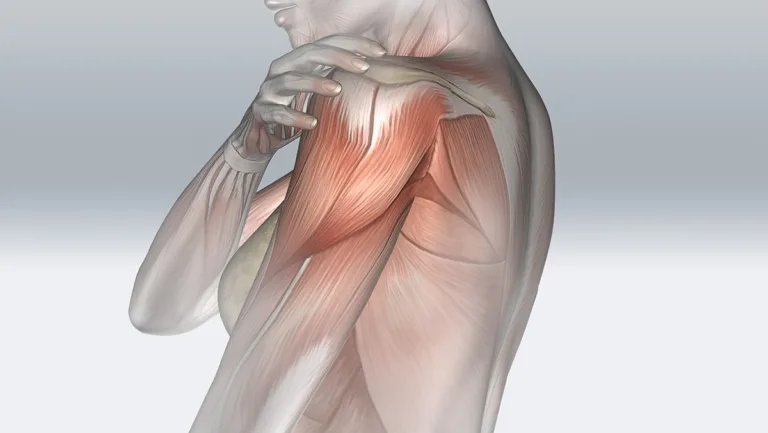
- Neck, shoulder, and upper back pain or muscle tension
- Back pain
- Muscle tightness related to physical activity or repetitive use
- Certain limitations in movement
- Muscle fatigue associated with work or daily activities
However, some types of pain may have underlying causes that require further medical assessment. It is therefore important to identify or evaluate the cause of symptoms before selecting an appropriate treatment approach.
When Should You Consult a Physician Before Tuina?
You should inform your physician or practitioner about your medical history before receiving treatment, particularly if you have:
- A recent injury
- Severe or unusual pain
- Numbness or weakness
- A history of surgery in the area being treated
- An underlying medical condition or are currently taking medication
- Symptoms that have not yet been diagnosed
If you experience severe or sudden symptoms, you should seek appropriate medical evaluation before considering massage or other treatment options.
What to Expect During a Tuina Treatment
If you have never experienced Tuina before, knowing what to expect can make the treatment process more comfortable.
1. Initial Consultation
The practitioner will discuss your main concerns, symptoms, medical history, and any relevant health information.
2. Physical Assessment
Depending on your symptoms, the practitioner may assess the affected area, range of motion, muscle tension, or other relevant physical findings.
3. Individualized Treatment
The practitioner will select appropriate Tuina techniques based on the assessment. The treatment area, techniques, and level of pressure may be adjusted throughout the session according to your condition and response.
4. Post-Treatment Guidance
After treatment, the practitioner may discuss your response to the session and provide recommendations regarding further care or follow-up when appropriate.
Does Tuina Massage Hurt?
The sensation during Tuina varies from person to person depending on the techniques used, the treatment area, and the individual’s physical condition.
Treatment should not be based on using the greatest possible amount of pressure. Instead, the techniques and pressure should be adjusted according to the individual’s condition and tolerance.
Some techniques may feel firm or produce temporary discomfort, but significant or unusual pain should not be ignored.
If you experience significant pain during treatment, inform the practitioner immediately so that the technique can be adjusted or your condition can be reassessed.
Frequently Asked Questions About Tuina Massage
What Is Tuina Massage?
Tuina is a manual therapeutic technique used in traditional Chinese medicine. It incorporates techniques such as pressing, kneading, rolling, pushing, and movement-based techniques, with treatment adapted according to the individual’s symptoms and physical condition.
What Is Tuina Massage Used For?
Tuina may be used as part of a traditional Chinese medicine approach to address certain musculoskeletal concerns, including muscle tension, neck and shoulder discomfort, back pain, and certain movement limitations. Suitability depends on the individual’s condition and should be assessed by a qualified practitioner.
How Is Tuina Different from Regular Massage?
Tuina is based on traditional Chinese medicine principles and places greater emphasis on assessment and individualized selection of techniques. Relaxation massage generally focuses on promoting relaxation, reducing muscle tension, and relieving everyday fatigue.
Is Tuina Massage Painful?
Not necessarily. The sensation varies depending on the techniques used, the treatment area, and the individual’s condition. Tuina does not have to involve strong pressure, and techniques should be adjusted according to the person’s tolerance and physical condition.
How Many Tuina Sessions Do I Need?
There is no standard number of sessions for everyone. Treatment frequency depends on the individual’s symptoms, physical condition, duration of symptoms, and response to treatment.
Is Tuina Suitable for Everyone?
Not necessarily. People with recent injuries, severe or unexplained pain, numbness, weakness, a history of surgery, or certain underlying medical conditions should consult a physician or qualified healthcare professional before receiving Tuina.
Can Tuina Be Combined with Acupuncture?
Tuina and acupuncture are both therapeutic approaches within traditional Chinese medicine and may sometimes be used as part of the same treatment plan. Whether they should be combined depends on the individual’s symptoms, physical condition, and treatment assessment.
Where Can I Get Tuina Massage in Bangkok?
Tuina is available at selected traditional Chinese medicine clinics and healthcare facilities in Bangkok. If you are considering treatment, choose a facility with appropriately qualified practitioners and an assessment process before treatment.
Tuina at Greenbell Medical Clinic
For those interested in Tuina based on traditional Chinese medicine principles, Greenbell Medical Clinic provides an assessment before treatment to help the physician determine an appropriate approach and techniques for each individual.
Treatment is planned according to the patient’s symptoms, physical condition, and relevant health information rather than applying the same approach to everyone.
If you are experiencing pain, muscle tension, or limitations in movement and are unsure whether Tuina is appropriate for your condition, an initial assessment can help determine which approach may be most suitable for you.
If you are looking for Tuina massage in Bangkok, you can consult our team to learn more about the treatment process and whether Tuina may be appropriate for your needs.
Conclusion
Tuina differs from relaxation massage in its therapeutic goals, assessment process, techniques, and individualized approach to treatment.
As a traditional Chinese medicine therapeutic modality, Tuina incorporates a range of manual techniques, and the selection of specific techniques or acupoints should be based on the individual’s symptoms and physical condition.
If you are considering massage for pain, muscle tension, or physical discomfort, understanding the differences between Tuina and other types of massage can help you make a more informed decision about which approach may be appropriate for your needs.
For those considering Tuina massage in Bangkok, an assessment with a qualified practitioner can help determine whether this approach is suitable for your individual condition.
Contact US 👇
🌐 Offical Website : www.greenbellclinic.com
📌 IG : @greenbell_clinic
🟩 LINE Offical : @greenbell
⬛ TIKTOK : greenbellmedicalclinic
🟥 Youtube : Greenbell Medical Clinic