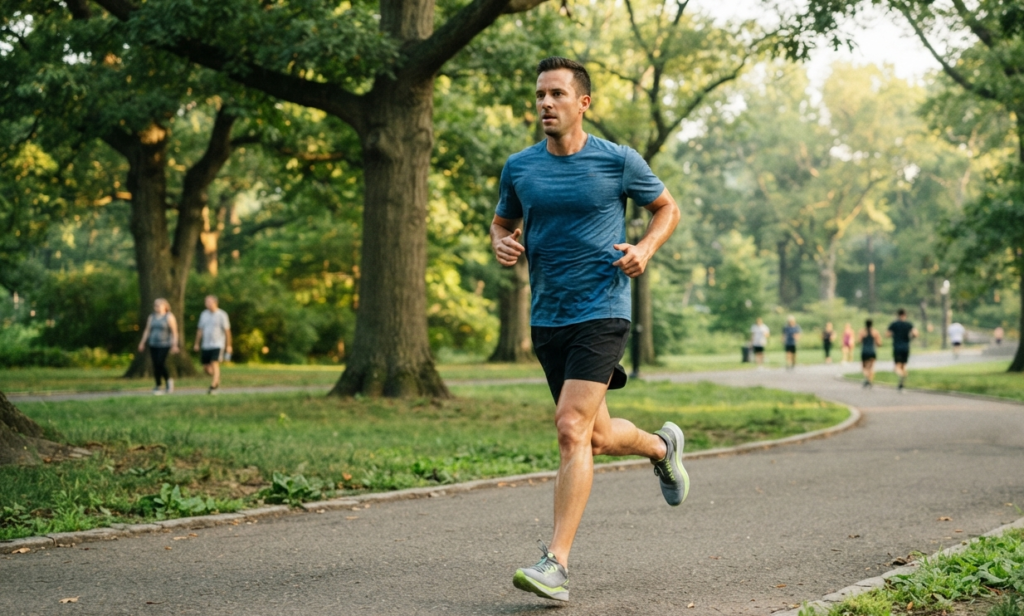
Running is one of the world’s most popular forms of exercise, offering numerous health benefits, including improved cardiovascular fitness, weight management, and better mental well-being. Because it requires minimal equipment and can be adapted to different fitness levels, running is often the first choice for individuals beginning an exercise program.
However, many beginner runners develop muscle and tendon injuries during the early stages of training. In most cases, these injuries occur because the musculoskeletal system has not yet adapted to repetitive mechanical loading, increased training volume, or inadequate recovery.
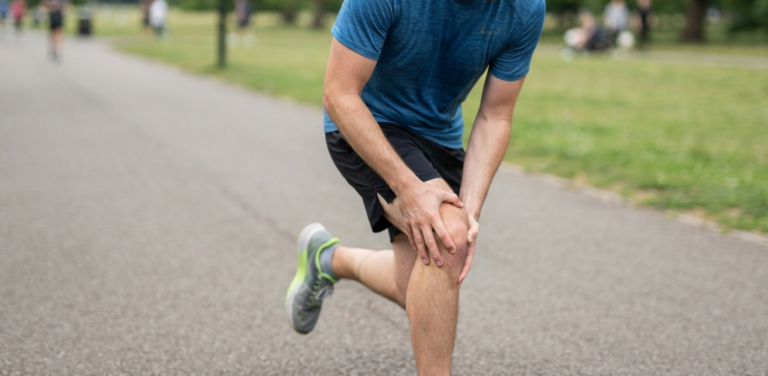
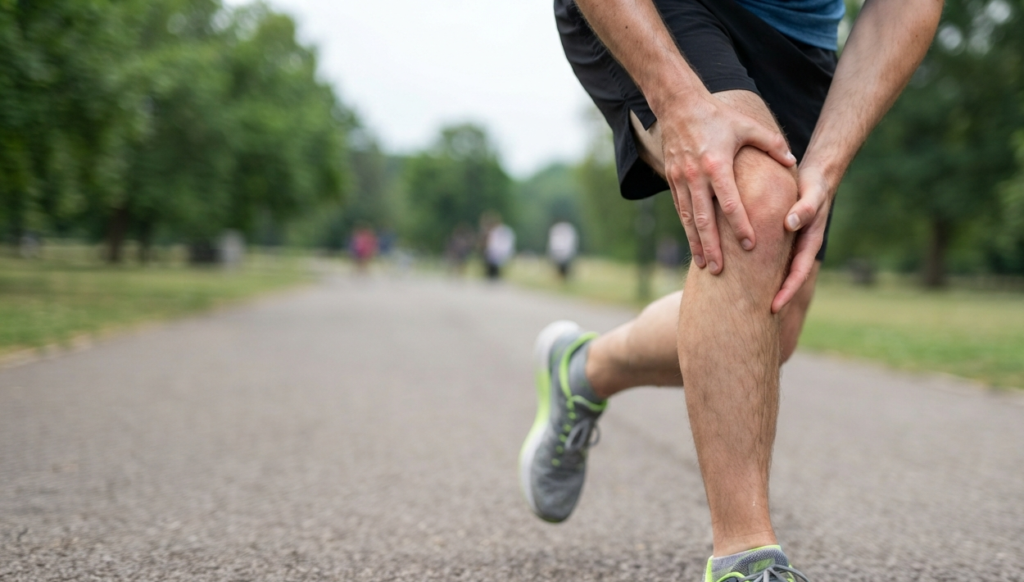
Pain affecting the shins, calves, and thighs is particularly common among new runners. Although symptoms may initially appear mild, continuing to train through pain may increase the risk of more severe soft tissue injuries and prolong recovery.
Traditional Chinese Medicine (TCM) offers complementary treatment approaches that may help relieve pain, improve local blood circulation, reduce muscle tension, and support tissue healing. Treatments such as Traditional Chinese Acupuncture, Tuina Massage, and cupping therapy are commonly used alongside rehabilitation exercises, activity modification, and patient education to support recovery and facilitate a safe return to physical activity.
Why Do Beginner Runners Get Injured?
Running places repetitive mechanical loading on the muscles, tendons, joints, and connective tissues of the lower extremities. Over time, these tissues adapt and become more resilient. However, beginner runners often increase their training volume or intensity more quickly than the body can safely adapt.
This imbalance between training load and tissue capacity can lead to overuse injuries involving muscles, tendons, fascia, and other soft tissues.
Common risk factors include:
- Increasing weekly running distance too quickly
- Inadequate warm-up before exercise
- Poor running biomechanics
- Weakness of the hips, core, and lower limb muscles
- Limited flexibility or joint mobility
- Wearing inappropriate footwear
- Running on hard surfaces without adequate recovery
- Insufficient sleep and recovery time
- Previous musculoskeletal injuries
Identifying and addressing these factors early may help reduce the risk of injury and improve long-term running performance.
Common Muscle and Tendon Injuries in Beginner Runners
Most running-related injuries in beginner runners are classified as overuse injuries, meaning they develop gradually as repetitive stress exceeds the body’s ability to recover.
Shin Splints (Medial Tibial Stress Syndrome)
Shin splints, medically known as medial tibial stress syndrome (MTSS), are among the most common overuse injuries in beginner runners. The condition is characterized by pain along the inner border of the tibia and is often associated with repetitive loading of the muscles, tendons, and connective tissues surrounding the shin.
Common symptoms include:
- Pain along the inner border of the shin
- Tenderness when pressing the affected area
- Pain during or after running
- Tightness in the lower leg
- Symptoms that worsen with continued training
Without appropriate treatment and activity modification, persistent shin pain may increase the risk of more significant stress-related injuries.
Calf Muscle Strain
The calf muscles play a key role in absorbing impact forces and generating forward propulsion during running. Excessive training, inadequate warm-up, or muscle fatigue may lead to microscopic damage of muscle fibers or muscle strains.
Typical symptoms include:
- Sudden pain in the calf
- Muscle tightness or cramping
- Difficulty pushing off during walking or running
- Localized tenderness
- Mild swelling in some cases
Early management and temporary training modification may help prevent progression of the injury.
Thigh Muscle Strain
The quadriceps and hamstring muscles work continuously throughout the running cycle. When training demands exceed tissue capacity, muscle inflammation or small tears may develop.
Common symptoms include:
- Pain during running
- Tightness in the front or back of the thigh
- Pain while climbing stairs
- Reduced muscle strength
- Difficulty squatting or rising from a seated position
Early recognition of symptoms and appropriate management can help reduce recovery time and lower the risk of recurrent injuries.
How Does Traditional Chinese Medicine View Running Injuries?
According to Traditional Chinese Medicine theory, sports-related injuries may be associated with disruptions in the circulation of Qi (vital energy) and Blood. When this balance is affected, symptoms such as pain, muscle stiffness, and impaired function may occur.
Traditional Chinese Medicine adopts a holistic approach by considering not only the location of pain but also the individual’s overall health, physical condition, lifestyle, and recovery status.
Following a clinical evaluation, a licensed TCM practitioner develops an individualized treatment plan based on the patient’s symptoms, functional limitations, and treatment goals.
In modern clinical practice, Traditional Chinese Medicine is often integrated with rehabilitation exercises, activity modification, and patient education to support comprehensive musculoskeletal care.
Traditional Chinese Medicine Treatments for Running Injuries
Traditional Chinese Acupuncture
Acupuncture is one of the most widely recognized therapies in Traditional Chinese Medicine and is commonly used as a complementary treatment for musculoskeletal conditions.
During treatment, fine sterile needles are inserted into carefully selected acupuncture points. Evidence suggests that acupuncture may help stimulate the nervous system, improve local blood circulation, and modulate pain pathways, potentially supporting pain management and recovery in certain musculoskeletal conditions.
Potential benefits may include:
- Reduced muscle pain
- Relief of muscle tightness
- Improved joint mobility
- Support for tissue healing
- Enhanced post-exercise recovery
- Improved comfort during rehabilitation
Because every injury is different, acupuncture treatment should be individualized following an appropriate clinical evaluation.
Tuina Massage
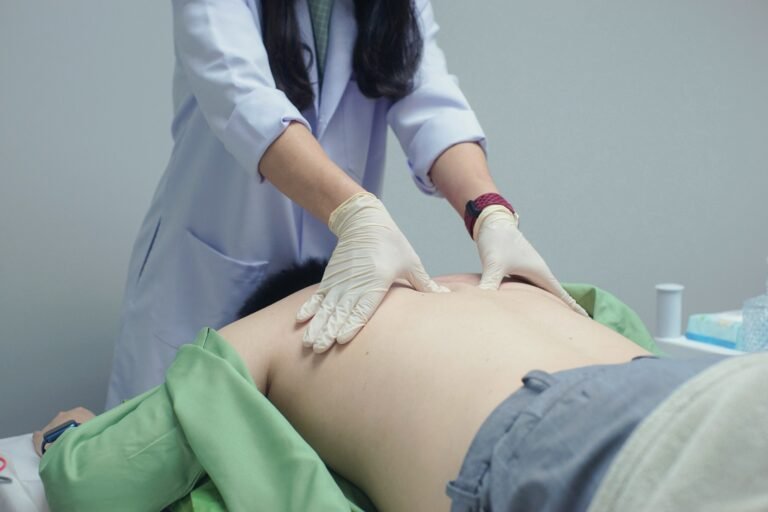
Tuina is a specialized form of Traditional Chinese Medicine manual therapy that combines soft tissue techniques, joint mobilization, and therapeutic stretching.
Unlike relaxation massage, Tuina focuses on restoring musculoskeletal function, reducing muscle tension, and improving movement quality.
For runners, Tuina may help:
- Reduce muscle stiffness
- Improve flexibility
- Enhance local circulation
- Release myofascial tightness
- Restore normal movement patterns
- Support recovery following repetitive training
Tuina is often incorporated into rehabilitation programs for individuals experiencing calf tightness, thigh muscle soreness, and other overuse-related conditions.
Cupping Therapy
Cupping therapy is another commonly used modality in Traditional Chinese Medicine. It involves placing specially designed cups on the skin to create gentle suction, which may help improve local circulation and reduce muscle tightness.
For runners, cupping therapy may help:
- Relieve post-exercise muscle soreness
- Improve soft tissue mobility
- Reduce feelings of muscular tightness
- Support recovery after intensive training
Temporary circular skin discoloration following treatment is a common and expected response that usually fades within several days.
Cupping therapy should be performed by trained healthcare professionals following an appropriate clinical assessment.
Can Traditional Chinese Medicine Improve Running Performance?
Traditional Chinese Medicine (TCM) is not intended to replace structured training, strength and conditioning programs, or evidence-based rehabilitation. Instead, it may complement these approaches by supporting recovery and helping runners maintain consistent training.
Recovery is a fundamental component of athletic performance. Persistent muscle tightness, pain, or fatigue can alter running biomechanics, reduce movement efficiency, and increase the likelihood of compensatory movement patterns, potentially raising the risk of recurrent injury.
When incorporated into a comprehensive rehabilitation program, TCM therapies may help support:
- Recovery following training or competition
- Temporary relief of musculoskeletal pain
- Reduced muscle tightness and stiffness
- Improved flexibility and joint mobility
- Soft tissue recovery
- Overall comfort during rehabilitation
Individual responses vary, and treatment should always be based on a clinical evaluation and tailored to each patient’s condition, goals, and stage of recovery.
Injury Prevention Tips for Beginner Runners
Although not all running injuries are preventable, adopting appropriate training habits can substantially reduce the risk of overuse injuries.
Increase Training Gradually
Avoid sudden increases in running distance, intensity, or frequency. Gradual progression allows muscles, tendons, bones, and connective tissues sufficient time to adapt to increasing physical demands.
Perform a Dynamic Warm-up
A dynamic warm-up before running helps increase body temperature, improve joint mobility, and prepare the muscles for exercise.
Examples include:
- Leg swings
- Walking lunges
- High knees
- Butt kicks
- Hip mobility exercises
Include Strength Training
Strengthening the hips, gluteal muscles, core, and lower limbs improves lower-extremity stability and running biomechanics while reducing excessive stress on muscles and tendons.
Stretch After Running
Gentle stretching following exercise may help maintain flexibility and reduce post-exercise muscle tightness.
Wear Appropriate Running Shoes
Footwear should match your foot structure, running style, and training environment. Replacing worn-out running shoes may also help reduce excessive mechanical stress.
Prioritize Recovery
Adequate sleep, balanced nutrition, hydration, and scheduled rest days all play an important role in tissue repair and long-term athletic performance.
Listening to your body and allowing sufficient recovery between training sessions can help prevent minor discomfort from progressing into more significant injuries.
When Should You Seek Medical Attention?
Mild muscle soreness after exercise is common, particularly among beginner runners. However, persistent or worsening symptoms should not be ignored.
Consider consulting a qualified healthcare professional if you experience:
- Pain that persists despite several days of rest
- Difficulty walking or bearing weight
- Significant swelling or bruising
- Sudden sharp pain during running
- Pain that progressively worsens with activity
- Numbness, tingling, or muscle weakness
- Recurrent pain affecting the same area
- Symptoms that interfere with daily activities or training
Early clinical evaluation can help identify the underlying cause of symptoms and guide appropriate treatment before the condition becomes more difficult to manage.
Conclusion
Muscle and tendon injuries are among the most common challenges faced by beginner runners. Conditions affecting the shins, calves, and thighs often develop when training demands exceed the body’s ability to adapt and recover.
Early recognition of symptoms, appropriate activity modification, and timely clinical evaluation can help prevent minor injuries from progressing into chronic musculoskeletal conditions.
Traditional Chinese Medicine—including acupuncture, Tuina massage, and cupping therapy—may provide complementary support for pain management, muscle relaxation, and tissue recovery when integrated with evidence-based rehabilitation, therapeutic exercise, and individualized treatment planning.
By combining appropriate training practices, injury prevention strategies, and comprehensive clinical care, beginner runners can safely return to running, reduce the risk of recurrent injuries, and maintain long-term participation in physical activity.
Frequently Asked Questions
Can I continue running if I have shin pain?
It depends on the cause and severity of your symptoms. Mild discomfort may improve with temporary modifications to your training program. However, persistent or worsening pain should be evaluated by a healthcare professional. Continuing to run despite significant pain may increase the risk of more serious injuries.
Can acupuncture help relieve running-related muscle pain?
Evidence suggests that acupuncture may help reduce pain and improve function in certain musculoskeletal conditions. It is generally used as a complementary treatment alongside rehabilitation exercises and appropriate activity modification.
How many acupuncture sessions are usually recommended?
The number of treatment sessions depends on the type and severity of the injury, symptom duration, and individual response to treatment. A licensed practitioner can recommend an appropriate treatment plan following a clinical evaluation.
How is Tuina different from regular massage?
Unlike relaxation massage, Tuina is a therapeutic form of manual therapy within Traditional Chinese Medicine. It focuses on improving musculoskeletal function through targeted soft tissue techniques, joint mobilization, and therapeutic stretching based on an individual’s clinical presentation.
Is cupping therapy safe for runners?
Cupping therapy is generally considered safe when performed by appropriately trained healthcare professionals. However, it may not be suitable for individuals with certain skin conditions, bleeding disorders, or other medical conditions. A clinical evaluation is recommended before treatment.
How long does recovery from a muscle strain usually take?
Recovery time depends on the severity of the injury. Mild muscle strains may improve within one to three weeks, whereas moderate or more severe injuries may require several weeks or months of rehabilitation before returning to full activity.
Can Traditional Chinese Medicine replace physical therapy?
No. Traditional Chinese Medicine and physical therapy are complementary approaches rather than alternatives. Depending on the diagnosis, combining both treatments may provide a more comprehensive rehabilitation strategy.
How can I reduce my risk of future running injuries?
Maintaining good running technique, progressing training gradually, performing regular strength exercises, allowing adequate recovery, and seeking early treatment for persistent symptoms are among the most effective strategies for reducing injury risk.
Medical Disclaimer
This article is intended for educational purposes only and should not be considered a substitute for professional medical advice, diagnosis, or treatment. If you experience persistent pain, severe symptoms, or difficulty performing daily activities, consult a qualified healthcare professional for a comprehensive clinical evaluation and personalized treatment plan.
Contact US 👇
🌐 Offical Website : www.greenbellclinic.com
📌 IG : @greenbell_clinic
🟩 LINE Offical : @greenbell
⬛ TIKTOK : greenbellmedicalclinic
🟥 Youtube : Greenbell Medical Clinic