Right-Sided Lower Back Pain in Women: Causes, Symptoms, and When to Seek Medical Care
Right-sided lower back pain in women can have many possible causes. Common causes include muscle tension, prolonged or poor posture, changes associated with the menstrual cycle, pregnancy-related changes, and prolonged sitting or desk work.
However, pain on the right side of the lower back can sometimes be related to conditions involving the urinary tract, kidneys, pelvic organs, or other internal structures. If back pain occurs together with symptoms such as fever, chills, painful urination, blood in the urine, significant abdominal or pelvic pain, or neurological symptoms, medical evaluation is recommended.
This article explains some of the common causes of right-sided lower back pain in women, how to recognize warning signs, and how physical therapy may help when the pain is related to muscles, movement, or posture.
Key Takeaways
- Right-sided lower back pain in women can have musculoskeletal, hormonal, pregnancy-related, or internal medical causes.
- Prolonged sitting, poor posture, and muscle tension are common contributors to lower back discomfort.
- Menstrual-related changes may cause lower back and pelvic pain in some women.
- Pregnancy can place additional demands on the lower back as body weight and posture change.
- Fever, urinary symptoms, severe pain, numbness, weakness, or pain radiating down the leg may require medical assessment.
- When the pain is related to muscles, posture, or movement, physical therapy may help improve function and reduce discomfort.
Common Causes of Lower Back Pain in Women
Posture and Lower Back Muscle Tension
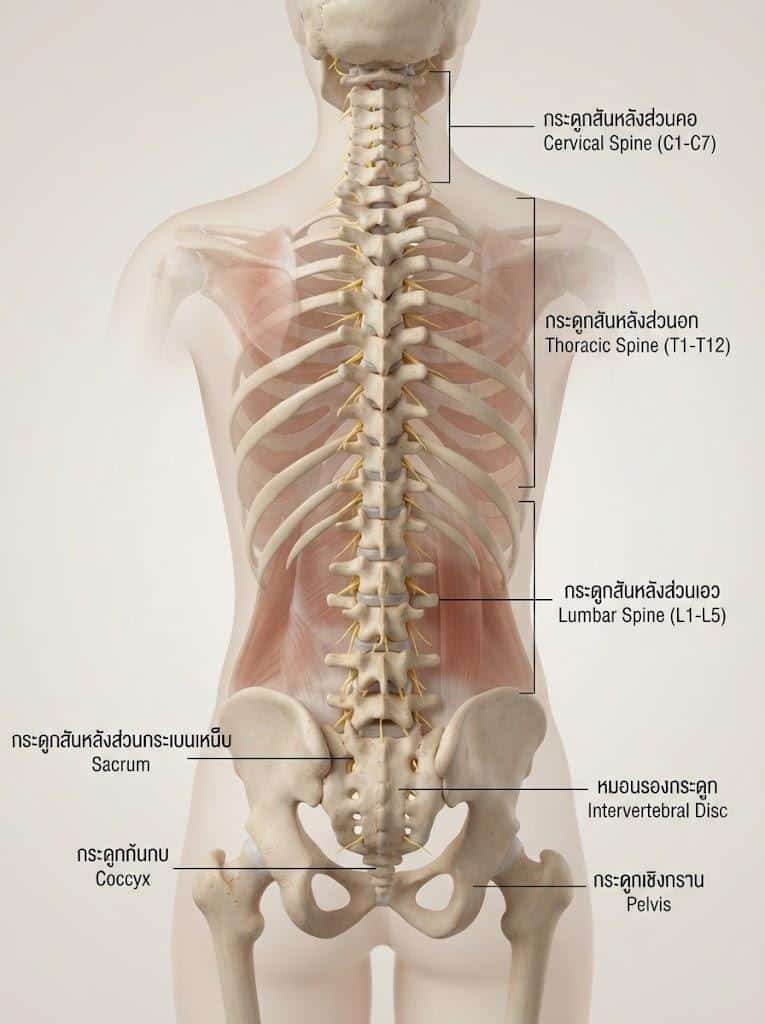
Prolonged sitting, standing, or working in an awkward position can place additional stress on the muscles and other structures around the lower back and pelvis.
Over time, this may contribute to muscle fatigue, stiffness, and discomfort. Pain may be more noticeable on one side when a person repeatedly favors one side of the body during work, standing, lifting, or other daily activities.
However, the location of the pain alone cannot determine its exact cause. A proper assessment is needed to identify whether the symptoms are related to muscles, joints, the spine, or another underlying condition.
Menstrual Cycle and Hormonal Changes
Some women experience lower back or pelvic pain before or during menstruation.
Menstrual cramps are associated with uterine contractions and can be accompanied by pain that spreads to the lower back. Changes in pain sensitivity and muscle tension during the menstrual cycle may also contribute to discomfort in some individuals.
Menstrual-related pain typically follows a recognizable pattern around the menstrual cycle. However, severe, persistent, or worsening pain should not automatically be attributed to menstruation and may require medical evaluation.
Pregnancy and Changes in Body Mechanics
Lower back pain is common during pregnancy.
As pregnancy progresses, changes in body weight, posture, and the center of gravity can place additional demands on the muscles and joints of the lower back and pelvis. Hormonal changes may also affect the body’s supporting structures.
These factors can contribute to lower back discomfort, particularly during the later stages of pregnancy.
Pregnant women with back pain should inform their healthcare provider or physical therapist about their pregnancy and any complications before beginning treatment or exercise.
Prolonged Sitting and Desk Work
Sitting at a desk for long periods without changing position can contribute to stiffness and discomfort in the lower back.
This is particularly common when the workstation is not properly adjusted or when a person spends many hours in the same position.
Regular movement, appropriate workstation setup, and exercises that improve strength and mobility may help reduce the physical strain associated with prolonged sitting.
When Lower Back Pain May Require Medical Attention
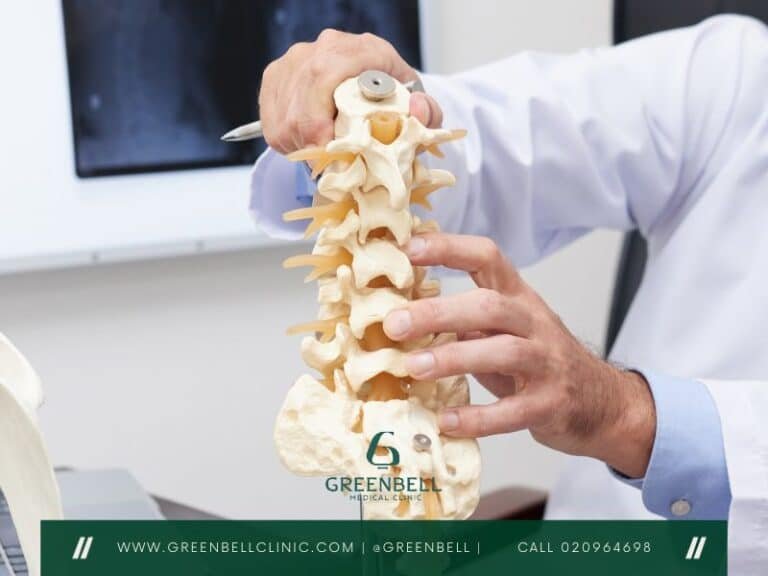
Not all right-sided lower back pain is caused by muscles or posture. Some symptoms may indicate an underlying medical condition that requires further evaluation.
Seek medical attention if lower back pain occurs with:
- Fever or chills
- Painful or burning urination
- Blood in the urine
- Significant abdominal or pelvic pain
- Severe or rapidly worsening pain
- Numbness or weakness in the leg
- Pain that radiates down the leg, particularly when accompanied by neurological symptoms
- Difficulty walking or changes in balance
- Loss of bladder or bowel control
- Pain following a significant injury
For example, back or flank pain accompanied by fever or urinary symptoms may be associated with a urinary tract or kidney problem. Pain radiating down the leg with numbness or weakness may indicate nerve irritation or compression.
If any of these symptoms are present, it is important to seek appropriate medical evaluation rather than assuming that the pain is caused by muscle tension.
How Can Physical Therapy Help With Lower Back Pain?
When lower back pain is associated with muscles, movement, posture, or musculoskeletal dysfunction, physical therapy may be part of an individualized treatment plan.
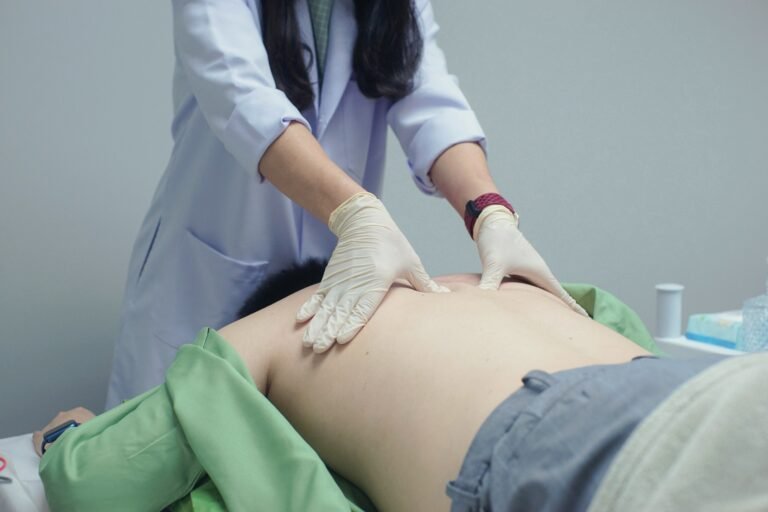
A physical therapist may begin with a physical assessment to evaluate posture, movement patterns, muscle function, joint mobility, and other factors that may contribute to the symptoms.
Depending on the assessment findings, treatment may include:
Exercise Therapy
Specific exercises may be used to improve the strength and endurance of the core and other muscles that support the lower back and pelvis.
The exercise program should be tailored to the individual’s symptoms, physical condition, and daily activities.
Postural and Movement Training
A physical therapist can provide guidance on sitting, standing, lifting, and moving in ways that reduce unnecessary strain on the lower back.
Rather than maintaining one “perfect” posture all day, the goal is often to develop comfortable movement habits and avoid staying in the same position for prolonged periods.
Workplace Ergonomics
For people who spend many hours working at a desk, adjustments to the chair, desk, monitor, and other aspects of the workstation may help improve comfort.
Taking regular movement breaks is also important, particularly during long periods of sitting.
How Often Should You Move During a Workday?
If your work involves prolonged sitting, try to avoid remaining in the same position for extended periods.
Standing up, walking briefly, changing position, or performing gentle movements throughout the workday can help reduce stiffness and discomfort.
Rather than relying on a specific time interval for everyone, consider using regular reminders to move and adjust your position based on your work routine and symptoms.
When Should You Consult Greenbell Clinic?
If your lower back pain does not involve warning signs and you suspect that it may be related to posture, muscle tension, movement, or physical activity, a physical therapy assessment may help identify contributing factors.
At Greenbell Clinic, a physical therapist can perform an individualized physical assessment and develop a treatment plan based on your symptoms and physical condition.
If your symptoms suggest a medical condition outside the scope of physical therapy, appropriate medical evaluation should be recommended before treatment begins.
For questions about lower back pain or physical therapy, please contact Greenbell Clinic through LINE or telephone.
Frequently Asked Questions
Is right-sided lower back pain in women normal?
Right-sided lower back pain can occur for many reasons, including muscle tension, prolonged sitting, posture, menstrual-related pain, and pregnancy. However, pain on one side of the lower back is not a diagnosis by itself. Persistent, severe, or unexplained pain should be assessed by a healthcare professional.
Can menstrual periods cause lower back pain?
Yes. Some women experience lower back and pelvic pain before or during menstruation. Menstrual-related pain often follows a pattern associated with the menstrual cycle. If the pain is unusually severe, persistent, or progressively worsening, medical evaluation may be appropriate.
Can pregnancy cause right-sided lower back pain?
Yes. Pregnancy can contribute to lower back pain because of changes in body weight, posture, and the center of gravity, as well as changes in the musculoskeletal system. Pregnant women should inform their healthcare provider or physical therapist about their pregnancy before starting treatment or exercise.
How can I tell if my lower back pain is from a muscle?
Musculoskeletal pain may be related to movement, posture, physical activity, or prolonged sitting and may improve with rest or changes in position. However, these features alone cannot confirm that the pain is muscular. A physical examination may be needed to determine the underlying cause.
Can sitting all day cause lower back pain?
Prolonged sitting can contribute to lower back stiffness and discomfort, particularly when combined with limited movement or an uncomfortable workstation setup. Regular movement breaks, appropriate ergonomics, and suitable exercise may help reduce discomfort.
When should I see a doctor for right-sided lower back pain?
Seek medical attention if the pain is severe, rapidly worsening, or accompanied by fever, chills, urinary symptoms, blood in the urine, significant abdominal or pelvic pain, numbness, weakness, difficulty walking, or loss of bladder or bowel control.
Can physical therapy help with right-sided lower back pain?
Physical therapy may help when the pain is related to musculoskeletal factors such as muscle tension, movement limitations, posture, or reduced muscle strength. A physical therapist should assess the individual first to determine whether physical therapy is appropriate.
Does right-sided lower back pain mean there is a problem with the right kidney?
Not necessarily. Right-sided lower back or flank pain can have many causes, including musculoskeletal problems. Kidney-related conditions may cause pain in the side or back and may be accompanied by symptoms such as fever, chills, painful urination, nausea, or blood in the urine. If these symptoms occur together, medical evaluation is recommended.
Summary
Right-sided lower back pain in women can have many different causes, and the location of the pain alone cannot determine the diagnosis.
Common musculoskeletal contributors include prolonged sitting, posture, muscle tension, and changes in movement patterns. Menstruation and pregnancy can also be associated with lower back discomfort.
However, back pain accompanied by fever, urinary symptoms, severe abdominal or pelvic pain, neurological symptoms, or significant weakness should be medically assessed.
When the pain is related to the muscles, posture, or movement, physical therapy may help improve strength, mobility, and movement patterns. An individualized assessment is the best way to determine the most appropriate approach.
Medical Disclaimer
This article is intended for general educational purposes only and does not replace a medical examination, diagnosis, or individualized treatment plan. Lower back pain can have many possible causes, and the information provided here should not be used for self-diagnosis. If you have severe, persistent, worsening, or concerning symptoms, consult an appropriately qualified healthcare professional.
Contact US 👇
🌐 Offical Website : www.greenbellclinic.com
📌 IG : @greenbell_clinic
🟩 LINE Offical : @greenbell
⬛ TIKTOK : greenbellmedicalclinic
🟥 Youtube : Greenbell Medical Clinic