Cosmetic Acupuncture: Traditional Chinese Medicine for Healthy, Radiant Skin
Cosmetic Acupuncture is a Traditional Chinese Medicine (TCM) treatment that focuses on improving skin health from within. By using sterile, ultra-fine acupuncture needles, specific acupuncture points on the face and body are stimulated to help restore the balance of Qi (vital energy) and Blood circulation. This holistic approach supports healthier-looking skin by promoting circulation, enhancing the skin’s natural repair processes, and improving the delivery of oxygen and nutrients to skin tissues.
As a result, Cosmetic Acupuncture may help the skin appear brighter, healthier, and more youthful while supporting overall wellness.
How Does Cosmetic Acupuncture Work?
According to Traditional Chinese Medicine, the condition of the skin reflects the body’s internal health. When the flow of Qi and Blood becomes imbalanced or internal organ functions are disrupted, skin concerns such as dullness, acne, melasma, fine lines, and loss of elasticity may develop.
Cosmetic Acupuncture works through several mechanisms, including:
- Promoting healthy blood circulation to the face.
- Supporting the skin’s natural healing and regeneration processes.
- Stimulating the body’s natural collagen and elastin production.
- Relaxing facial muscles that may contribute to the formation of certain expression lines.
- Helping reduce skin inflammation.
- Rebalancing the body according to TCM principles.
- Enhancing the delivery of oxygen and nutrients to skin tissues
The Cosmetic Acupuncture Procedure
1. Consultation and Skin Assessment
Before treatment begins, a licensed Traditional Chinese Medicine practitioner will conduct a comprehensive consultation, review your medical history, and assess your skin condition as well as your overall health. Based on this assessment, an individualized treatment plan will be developed to address your specific concerns, whether they include fine lines, dull skin, acne, or melasma.
2. Facial Acupuncture with Ultra-Fine Needles
Cosmetic Acupuncture uses ultra-fine, sterile needles specifically designed for facial treatments.
During acupuncture, patients may feel:
- Mild discomfort at certain acupuncture points
- A slight tight or pulling sensation
- A dull, heavy, or tingling sensation around the needle site
These sensations are considered normal responses to acupuncture and usually subside quickly.
3. Acupuncture Along Facial Meridian Points
The practitioner carefully inserts acupuncture needles into selected facial acupuncture points and meridian pathways. This stimulation is intended to improve blood circulation, promote the smooth flow of Qi as well as promote the natural collagen production in the skin, allowing the skin to rejuvenate from within.
4. Needle Retention
Once all needles have been inserted, they are typically retained for approximately 20 minutes. During this time, the body responds to the stimulation, supporting circulation and the skin’s natural regenerative processes.
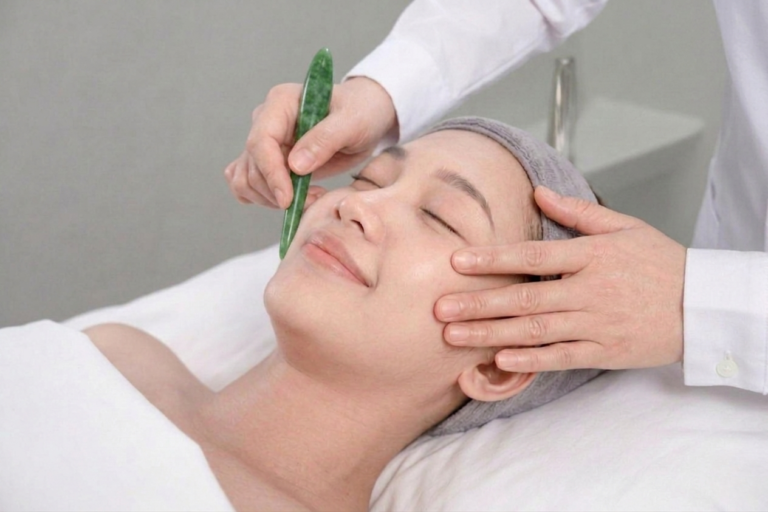
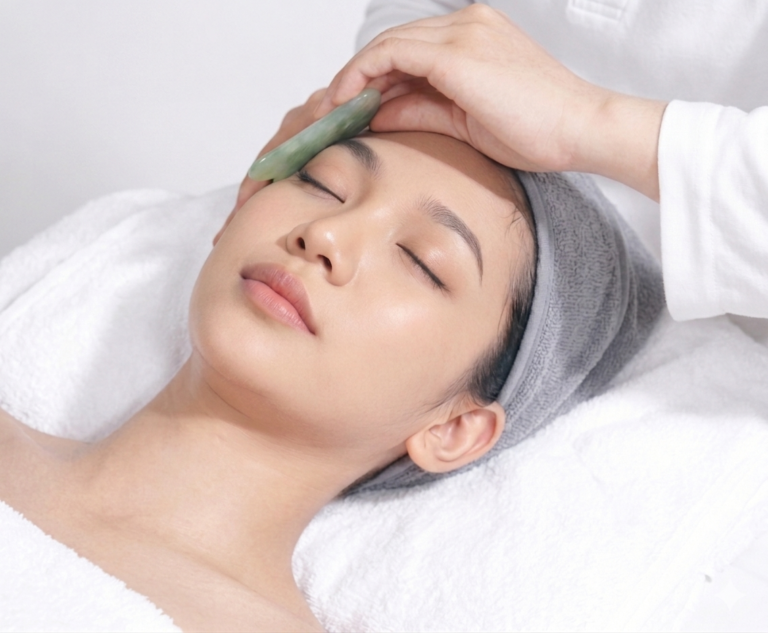
5. Facial Massage and Facial Mask
After the needles are removed, the treatment concludes with a relaxing facial massage followed by a nourishing facial mask.
This final step helps:
- Relax facial muscles
- Hydrate and nourish the skin
- Enhance comfort after treatment
- Leave the skin feeling refreshed and revitalized
Benefits of Cosmetic Acupuncture
Facial Rejuvenation
Stimulates blood circulation, resulting in brighter, more radiant skin, reducing dullness and promoting a healthy complexion.
Skin Firming and Fine Line Reduction
By supporting the body’s natural collagen and elastin production, Cosmetic Acupuncture may improve skin elasticity, enhance facial firmness, and reduce the appearance of fine lines in some individuals.
Acne Care
Cosmetic acupuncture may help reduce skin inflammation, support overall body balance according to Traditional Chinese Medicine principles, and improve the appearance of post-acne marks such as redness and hyperpigmentation in some individuals.
Melasma Care
By promoting circulation and restoring internal balance, Cosmetic Acupuncture may help improve overall skin tone and support the management of melasma when combined with an appropriate skincare routine and individualized treatment plan.
How Many Treatments Are Needed?
Some individuals may notice that their skin appears brighter after just a few sessions. However, improvements in skin firmness, fine lines, or specific skin concerns generally require a series of treatments. The recommended number and frequency of sessions vary depending on each individual’s skin condition, health status, and treatment goals.
Who Is Cosmetic Acupuncture Suitable For?
Cosmetic Acupuncture may be suitable for individuals who:
- Prefer a natural approach to skin rejuvenation
- Have dull or tired-looking skin
- Are beginning to develop fine lines
- Notice mild skin laxity
- Have acne, post-acne marks, or melasma
- Wish to improve skin health while supporting overall wellness
- Experience stress or poor sleep that affects their skin condition
Precautions
Cosmetic Acupuncture is generally considered safe when performed by a licensed Traditional Chinese Medicine practitioner using sterile, single-use needles.
Individuals with bleeding disorders, those taking anticoagulant medications, pregnant women, or patients with certain medical conditions should inform their practitioner before treatment to ensure that Cosmetic Acupuncture is appropriate and safe for their individual circumstances.
Summary
Cosmetic Acupuncture is a holistic Traditional Chinese Medicine treatment that promotes healthier skin by stimulating acupuncture points along the body’s meridian pathways. Through improved circulation, support for the skin’s natural collagen production, and restoration of internal balance, this treatment may help brighten the complexion, improve skin firmness, soften the appearance of fine lines, and support the management of acne and melasma.
For optimal safety and effectiveness, Cosmetic Acupuncture should always be performed by a licensed Traditional Chinese Medicine practitioner following a comprehensive consultation and individualized treatment assessment.