Aching muscles, stiffness that makes it hard to stand up, or a deep soreness after a hard day’s work — many people simply call this “muscle inflammation.” It’s one of the most common complaints seen in physical therapy clinics, affecting office workers, athletes, and manual laborers alike. But in physical therapy practice, this everyday muscle pain is not the same thing as true myositis, a group of autoimmune muscle diseases that require ongoing medical management. Understanding the difference matters, because it changes how quickly you recover and what kind of care actually helps.
This article covers the common causes of muscle inflammation, the warning signs that mean it’s time to pay attention, and how physical therapy supports recovery.
What Causes Muscle Inflammation?
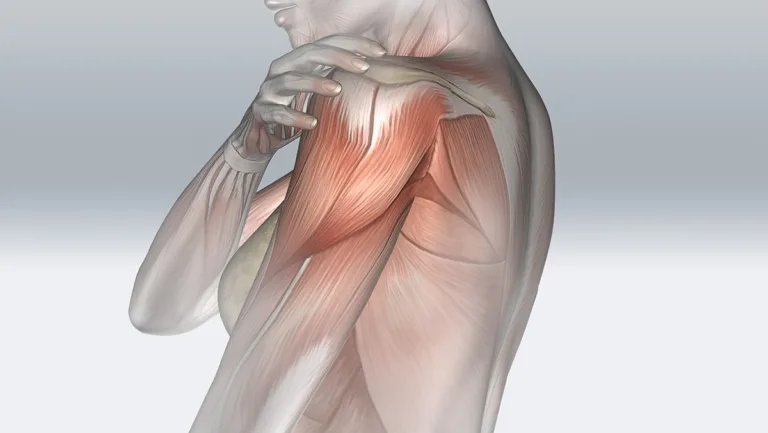
When muscle tissue is irritated or damaged, the body responds with a natural inflammatory process — swelling, tenderness, and reduced movement are part of how it clears damaged cells and begins repair. In physical therapy practice, this response is most often triggered by one of two mechanical causes:
Overuse Injury Repeating the same movement for too long without adequate recovery time. As small amounts of micro-damage accumulate faster than the body can repair them, pain and stiffness set in. Common triggers include typing in the same position all day (often linked to office syndrome), standing for long periods at work, or repetitive tasks in manual or clinical jobs.
Acute Injury A sudden injury from lifting something heavy with poor form, tripping or falling, or exercising beyond your body’s current capacity. These situations can cause microscopic tearing within the muscle fibers (microtrauma), which triggers the same inflammatory response as an overuse injury, just more abruptly.
Sports-related strains, including groin injuries, are a common example of acute muscle injury seen in the clinic — particularly among runners and athletes who skip a proper warm-up. In fact, muscle inflammation is one of the underlying causes behind persistent groin pain, which we cover in more detail in our dedicated article on groin pain.
Warning Signs: When Should You Pay Attention?
Mild soreness after activity is normal and usually settles within a day or two. But if any of the following symptoms last longer than 48–72 hours, it’s worth taking seriously:
- Dull ache — a deep, aching sensation within the muscle, often worse during or after movement
- Tenderness — a sharp, localized pain when pressing directly on the affected muscle, which can help pinpoint the injury
- Stiffness — reduced range of motion, such as difficulty bending forward, reaching overhead, or climbing stairs; often most noticeable first thing in the morning
- Swelling, redness, or warmth — in acute inflammation, the skin over the area may feel warmer than the surrounding tissue and appear mildly swollen
These symptoms are the body’s normal healing response. On their own, they’re not usually a cause for alarm — but symptoms that persist or worsen instead of gradually improving are a sign to get the area assessed rather than waiting it out.
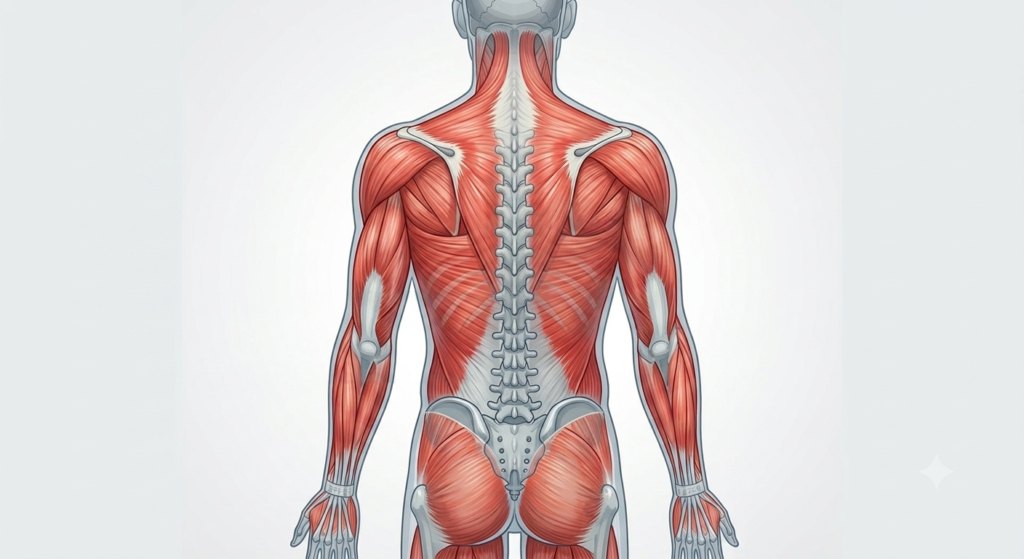
The Role of Physical Therapy
Once the acute phase has passed (typically after 2–3 days), a physical therapist can help guide your recovery through several approaches, rather than just treating the pain in isolation:
Therapeutic Exercise A progressive program of stretching and strengthening exercises, tailored to the injured muscle, that helps it better tolerate load going forward and reduces the risk of the same injury happening again.
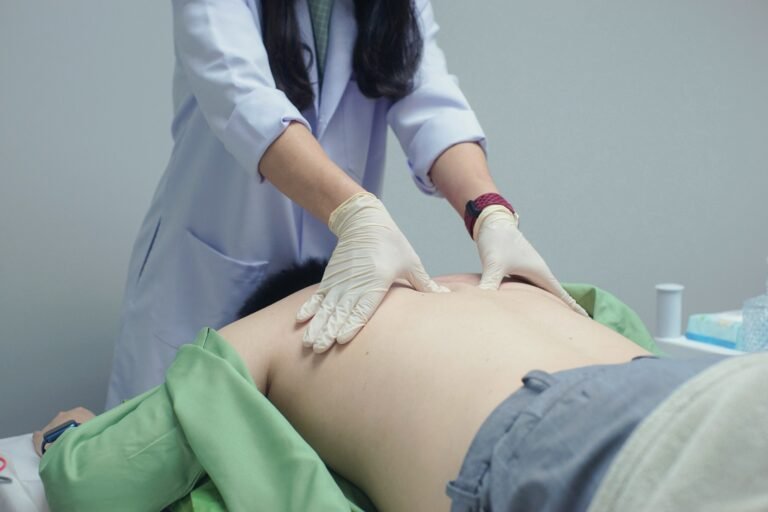
Manual Therapy Hands-on techniques such as soft tissue mobilization and joint mobilization, used to release tightness in the surrounding fascia and restore more comfortable, normal movement.
Physical Agents
- Ultrasound Therapy — uses sound waves to support tissue healing in deeper muscle layers
- Electrical Stimulation — helps reduce pain and relax muscle tension in the affected area
- Heat and Cold Therapy — heat improves blood flow and helps prepare tight muscles for stretching, while cold therapy helps control swelling in the early stages
These modalities work best as a complement to active exercise, not as a replacement for it — the exercise program is what drives long-term recovery.
Explore our full range of physiotherapy services, or learn more about the advanced equipment we use for these treatments.
When to See a Specialist
Muscle pain that radiates down an arm or leg, especially when combined with numbness or muscle weakness, may not be simple muscle inflammation. These symptoms can point to a nerve-related issue or a spinal disc problem, and should be evaluated by a specialist promptly.
Frequently Asked Questions (FAQ)
Is muscle inflammation the same as myositis?
Not usually. Myositis refers to a group of inflammatory muscle diseases typically caused by autoimmune conditions and requires medical management. Most everyday muscle pain seen in physical therapy comes from overuse or acute strain, not myositis, and responds well to conservative treatment.
How long does muscle inflammation take to recover?
Recovery time depends on the severity of the injury and the muscle involved, so it’s best assessed on a case-by-case basis. As a general guide, mild cases tend to settle faster than more significant strains. If symptoms persist past 48–72 hours or worsen, a physical therapy assessment can help confirm what’s actually going on and how long recovery is likely to take.
When should I start physical therapy?
Most patients begin active rehabilitation once the acute phase has settled, usually around 2–3 days after the injury.
Contact US 👇
🌐 Offical Website : www.greenbellclinic.com
📌 IG : @greenbell_clinic
🟩 LINE Offical : @greenbell
⬛ TIKTOK : greenbellmedicalclinic
🟥 Youtube : Greenbell Medical Clinic