
อาการและการรักษา หมอนรองกระดูกทับเส้นประสาท
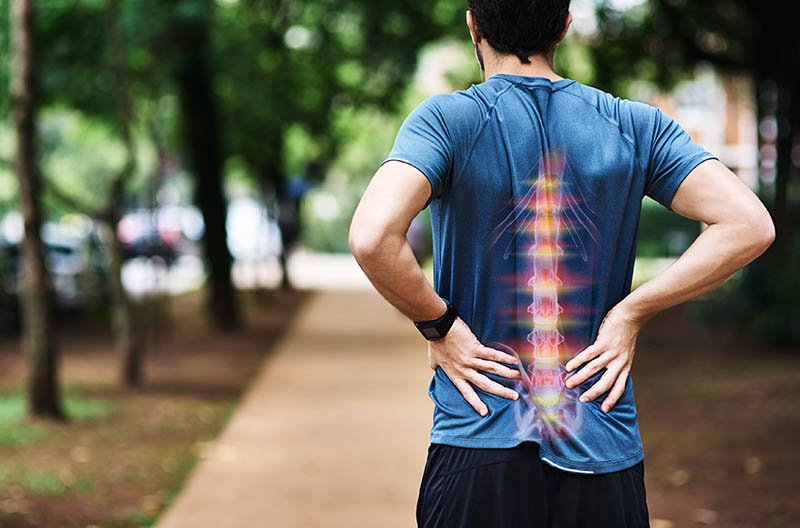
รู้จักอาการของหมอนรองกระดูกทับเส้นประสาท วิธีการรักษา และคำแนะนำในการดูแลตนเองเพื่อบรรเทาอาการและป้องกันการกลับมา.
Causes of Body Numbness Explained | Health Insight

Experiencing numbness or a tingling sensation in the body can be unsettling and may indicate an underlying health issue. Numbness occurs when the nerves are unable to transmit electrical impulses effectively, leading to a loss of sensation. There are various causes of body numbness, including nerve damage, poor circulation, pinched nerves, carpal tunnel syndrome, peripheral […]
Senior Fitness Programs in Bangkok for your love ones
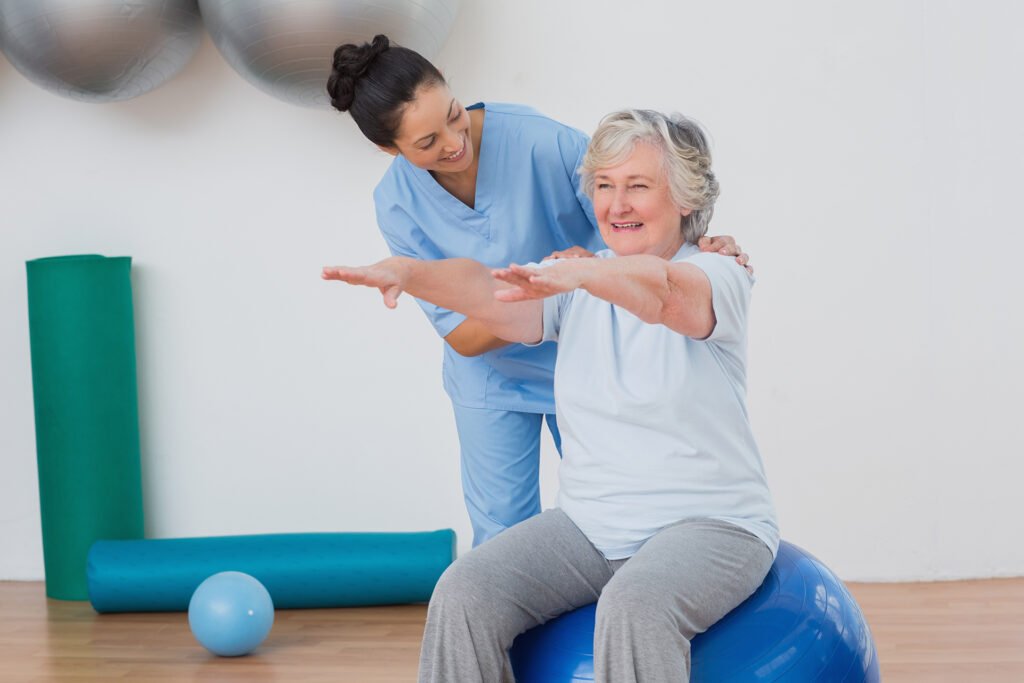
explore the various fitness programs available in the city that are designed specifically for the elderly population. These programs aim to enhance their health, well-being, and social connections, providing a safe and enjoyable environment for exercise.
Dysphagia Stimulation

Dysphagia Stimulation involves exercises to improve swallowing function. Dysphagia stimulation is like specialized exercises to make swallowing easier. These exercises work on strengthening the muscles used for swallowing, making it safer and more efficient. If you have trouble swallowing due to a medical condition, these exercises can help you get better at it, so you […]
Elderly Exercise
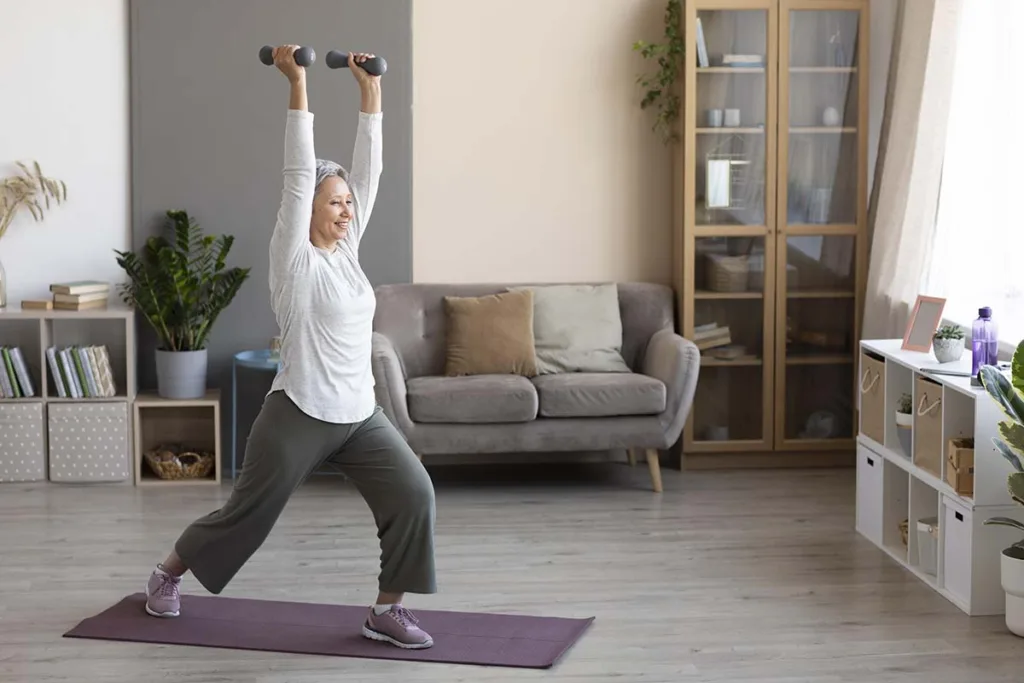
Elderly individuals may experience a decline in strength, flexibility, and balance, leading to increased vulnerability to falls and reduced independence.
Prevalence: Aging is associated with a natural decline in physical abilities, making exercise programs tailored for the elderly essential to maintain and improve overall health.
Signs and Symptoms: Symptoms may include generalized weakness, reduced mobility, and an increased risk of falls. Elderly exercise programs aim to address these issues and promote independence.
Complication: Lack of regular exercise in the elderly can contribute to a decline in functional abilities, an increased risk of falls, and potential complications related to sedentary lifestyles.
Service and Treatment: Our tailored exercise programs for the elderly focus on improving strength, flexibility, and balance. Through safe and enjoyable exercises, our physiotherapists aim to enhance independence, mobility, and overall quality of life in the golden years.
Women’s Health

Women’s health issues encompass a range of conditions, including pregnancy-related discomfort, pelvic floor issues, and musculoskeletal challenges specific to women. Symptoms may include pain, discomfort, and changes in functionality.
Prevalence: Women’s health concerns are prevalent across different age groups, with specific issues such as pelvic floor dysfunction affecting a significant portion of the female population.
Signs and Symptoms: Symptoms vary widely and can include pelvic pain, back pain during pregnancy, and musculoskeletal issues related to hormonal changes. Addressing these concerns is crucial for overall well-being.
Complication: Untreated women’s health issues can lead to persistent discomfort, challenges during pregnancy and childbirth, and potential long-term complications affecting pelvic health.
Service and Treatment: Our physiotherapy clinic prioritizes women’s health, offering specialized care and evidence-based interventions. From addressing pregnancy-related discomfort to pelvic floor issues, our physiotherapists empower women to achieve optimal physical well-being.
Groin Pain Treatment

Groin pain is a common musculoskeletal condition affecting individuals who frequently walk, run, participate in sports, or exercise regularly.
Wrist Pain
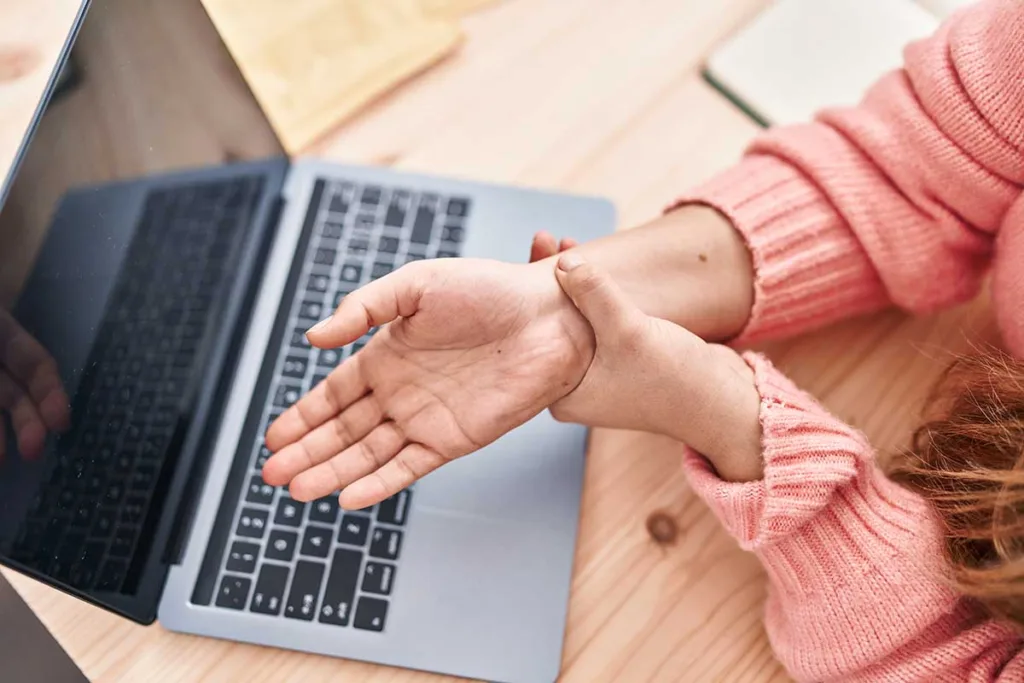
Wrist pain can result from various conditions, including repetitive strain injuries, overuse, or underlying joint issues. Symptoms may include pain, swelling, and difficulty in gripping or using the hand.
Prevalence: Wrist pain is prevalent, especially among individuals engaged in repetitive activities. Prevalence rates vary based on age, occupation, and lifestyle factors.
Signs and Symptoms: Pain may be sharp or dull, and individuals may experience stiffness, swelling, or a clicking sensation in the wrist joint. Wrist pain can significantly impact daily activities.
Complication: Untreated wrist pain can lead to chronic issues, reduced hand function, and potential complications such as carpal tunnel syndrome or arthritis.
Service and Treatment: Our physiotherapy approach involves a detailed examination of the wrist, incorporating therapeutic exercises, joint mobilization, and ergonomic advice. By addressing the specific needs of the wrist, we aim to reduce pain and enhance overall wrist function.
Numbness
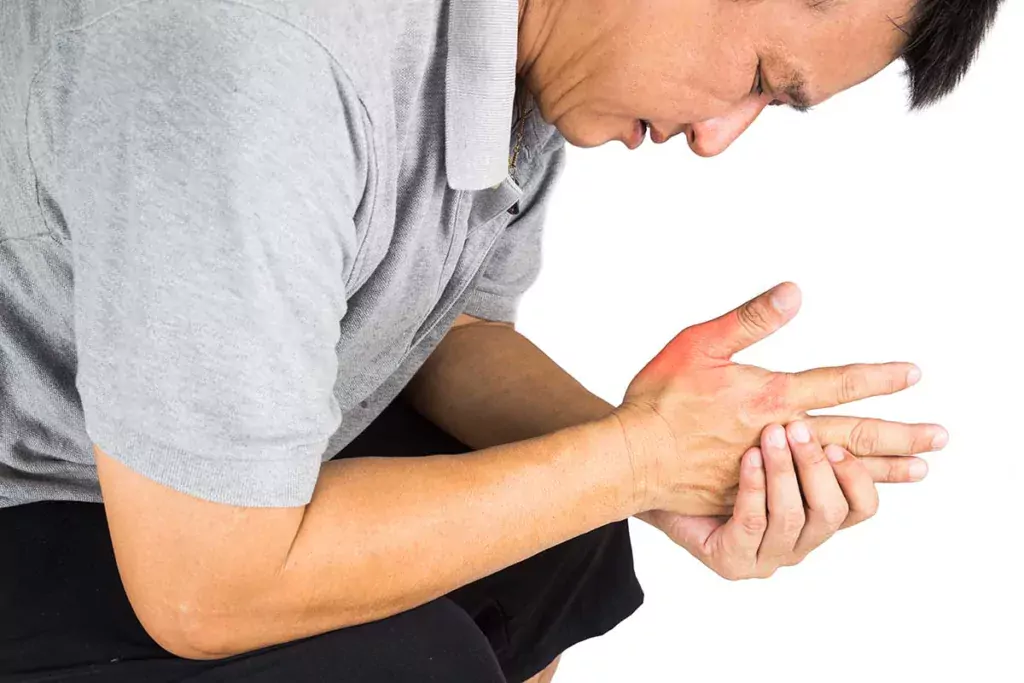
Numbness is characterized by a lack of sensation in specific body parts, often accompanied by tingling or a “pins and needles” sensation. It can result from conditions such as peripheral neuropathy, nerve compression, or circulation issues.
Prevalence: Numbness can affect individuals of all ages, with the prevalence varying depending on the underlying cause. For example, peripheral neuropathy is estimated to affect 2-7% of the general population, with higher prevalence in older age groups.
Signs and Symptoms: Numbness is often associated with tingling sensations, and it may progress to a complete loss of sensation in the affected areas. It can impact daily activities and may be indicative of nerve-related issues.
Complication: Untreated numbness may lead to functional impairments and reduce the individual’s quality of life. Additionally, it is crucial to address the underlying cause to prevent potential complications related to nerve damage.
Service and Treatment: Our physiotherapy clinic conducts thorough assessments to identify the root cause of numbness. Treatment plans may include targeted exercises, manual therapy, and nerve mobilization techniques, with the goal of alleviating numbness and improving sensory function.
Stroke Rehabilitation
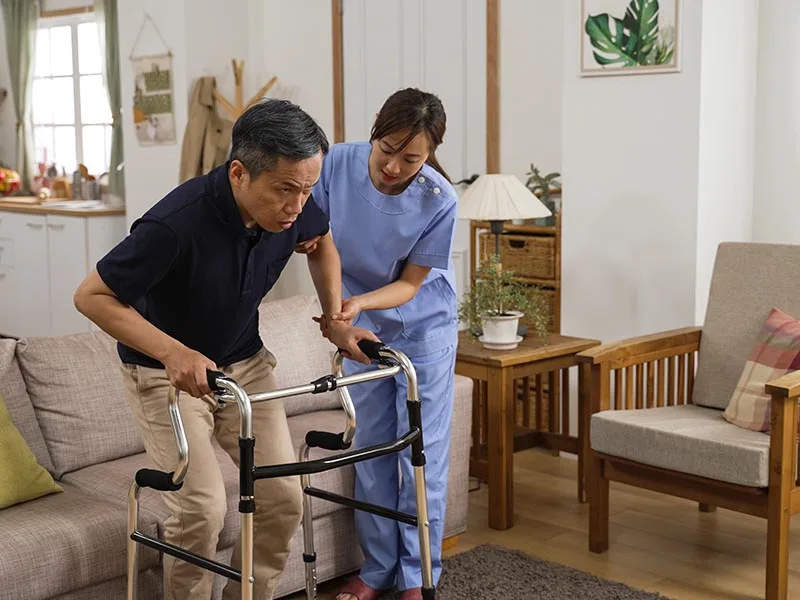
Stroke survivors may experience a range of symptoms, including motor deficits, balance issues, and difficulty in performing daily activities.
Prevalence: Stroke is a significant health concern, with an estimated 15 million people worldwide experiencing a stroke each year. Rehabilitation needs vary based on the severity of the stroke and individual factors.
Signs and Symptoms: Symptoms vary but often include muscle weakness, loss of coordination, and challenges in balance and mobility.
Complication: Lack of rehabilitation can lead to persistent functional limitations, reduced quality of life, and potential long-term disability.
Service and Treatment: Our specialized stroke rehabilitation programs focus on enhancing motor skills, balance, and overall quality of life through evidence-based exercises and therapies.