
Neck Pain

Neck pain manifests as discomfort, stiffness, and reduced range of motion in the cervical spine. It can result from muscle imbalances, poor posture, or injuries.
Prevalence: Neck pain is prevalent across all age groups, with lifetime prevalence estimates ranging from 30-50%. It is more common in women than in men.
Signs and Symptoms: Pain can be dull or sharp, with accompanying muscle tightness. Individuals may experience headaches, difficulty turning the head, and discomfort during prolonged sitting.
Complication: Untreated neck pain can lead to chronic issues, affecting daily activities and potentially contributing to headaches and shoulder pain.
Service and Treatment: Our physiotherapy team takes a meticulous approach, addressing the root causes of neck pain through targeted exercises, manual therapy, and posture correction.
Herniated Disc / HNP

Herniated discs result in back pain, often accompanied by radiating pain, numbness, or tingling in the extremities.
Prevalence: Herniated discs are relatively common, particularly in older age groups. Studies suggest that around 1-5% of the population may be affected by symptomatic herniated discs.
Signs and Symptoms: Pain can be sharp or throbbing, with additional symptoms like muscle weakness and changes in reflexes. Symptoms may worsen with certain movements.
Complication: Left untreated, a herniated disc can lead to persistent pain, nerve damage, and potential long-term disability.
Service and Treatment: Our physiotherapists employ proven techniques, including targeted exercises and manual therapy, to manage symptoms effectively. Our approach aims at relieving pain and enhancing spinal health.
Plantar Fasciitis
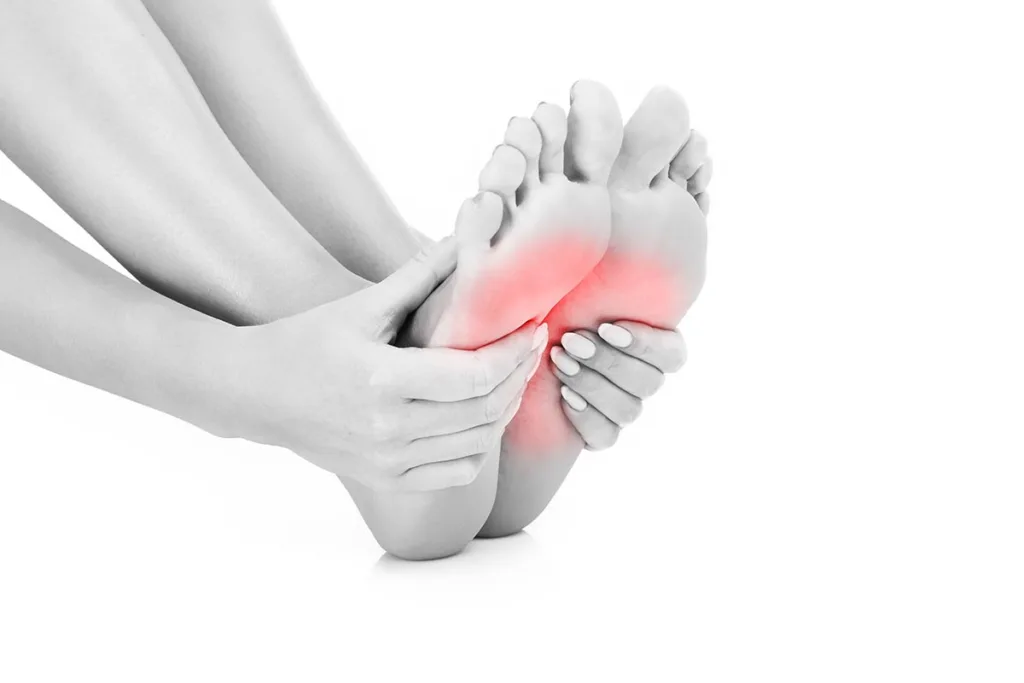
Plantar fasciitis causes sharp heel pain, especially during the first steps in the morning. It often involves inflammation of the tissue connecting the heel bone to the toes.
Prevalence: Plantar fasciitis is a common foot condition, affecting around 10% of the population. It is more prevalent in individuals aged 40-60 and is slightly more common in women than men.
Signs and Symptoms: Pain is sharp and stabbing, concentrated in the heel. Discomfort may increase after prolonged standing or walking.
Complication: Without intervention, plantar fasciitis can become chronic, leading to persistent pain and potential alterations in walking patterns.
Service and Treatment: Our physiotherapy services target plantar fasciitis with stretching exercises, manual therapy with cutting edge technology, and biomechanical assessments. Our goal is not only pain relief but also the prevention of recurrence.
Knee Pain
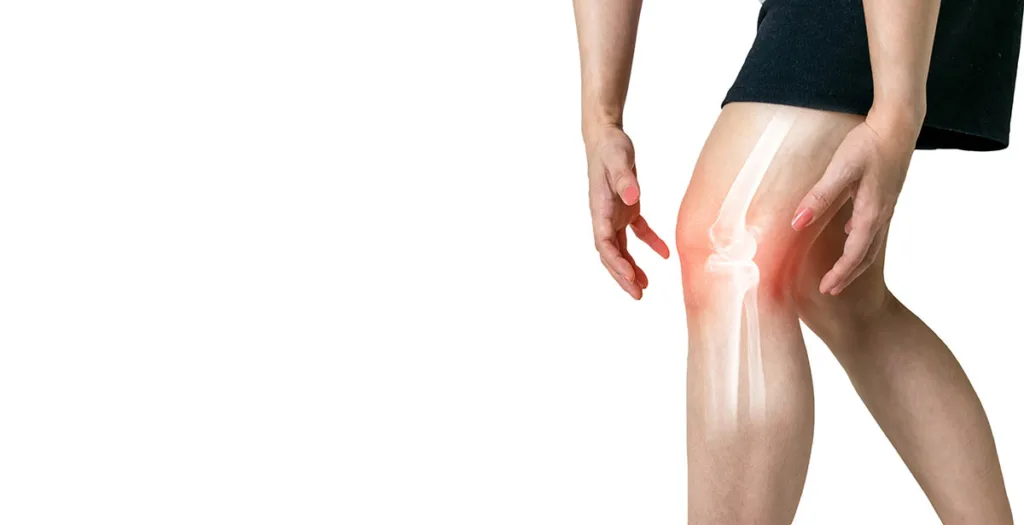
Knee pain presents as discomfort, swelling, and difficulty bearing weight on the affected knee. It can result from injuries, overexertion, or degenerative conditions.
Prevalence:
Knee pain is widespread and affects people of all ages. According to estimates, about 25% of adults experience knee pain, with prevalence increasing with age.
Signs and Symptoms:
The pain may be sharp or dull, accompanied by swelling and instability. Stiffness and difficulty in bending or straightening the knee are common symptoms.
Complication:
Untreated knee pain can lead to worsening joint damage, reduced mobility, and the development of chronic conditions like osteoarthritis.
Service and Treatment:
Our physiotherapy clinic specializes in comprehensive rehabilitation programs, addressing the underlying causes of knee pain through targeted exercises, joint mobilization, and evidence-based therapies.
Shoulder Pain
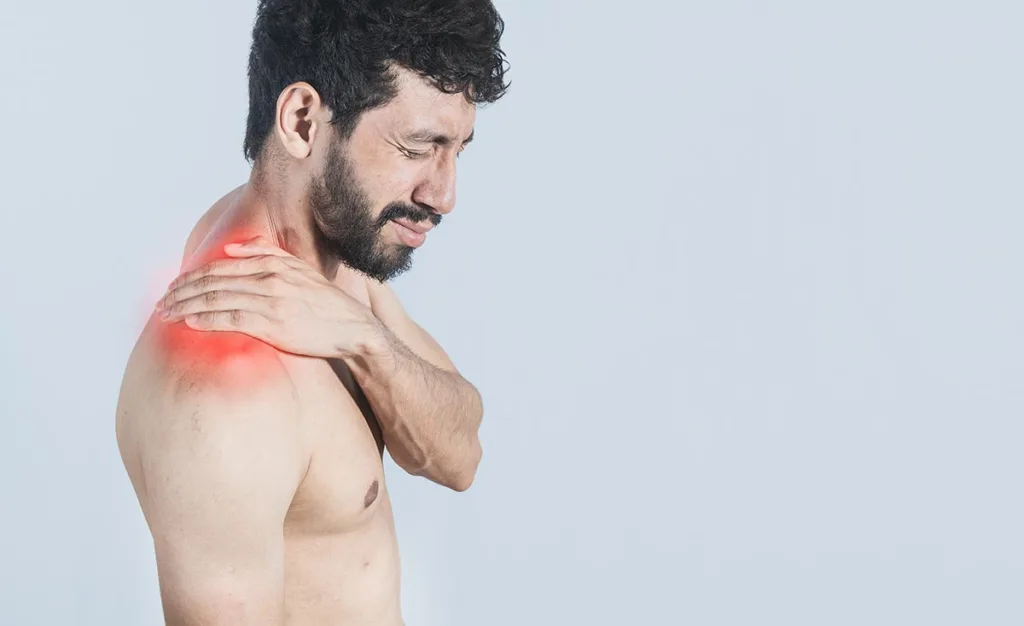
Shoulder pain can arise from various causes, and identifying the underlying issue is crucial for effective treatment.
Migraine Management
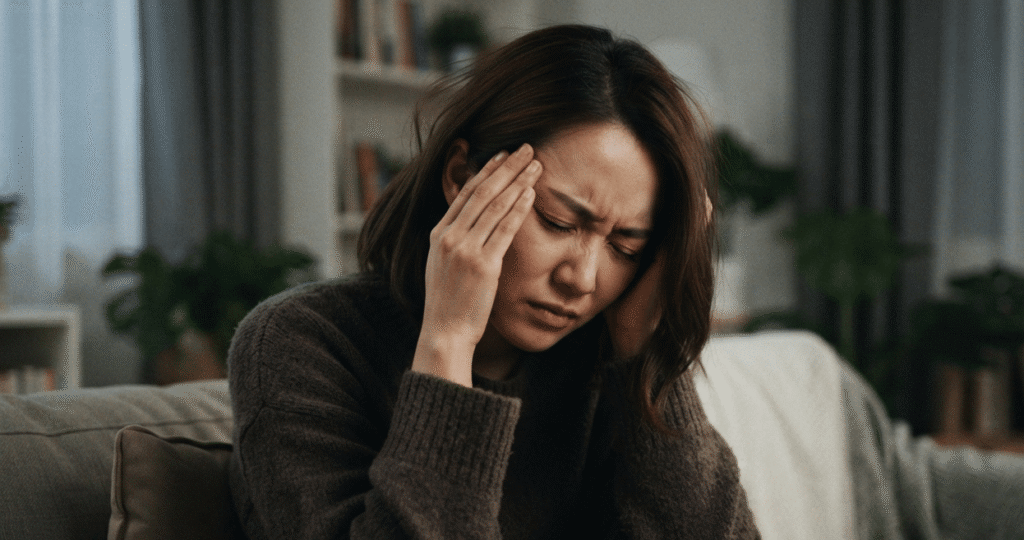
Migraine is a common neurological disorder characterized by recurrent headache attacks that may significantly affect daily activities, work performan
Ultrasound Therapy
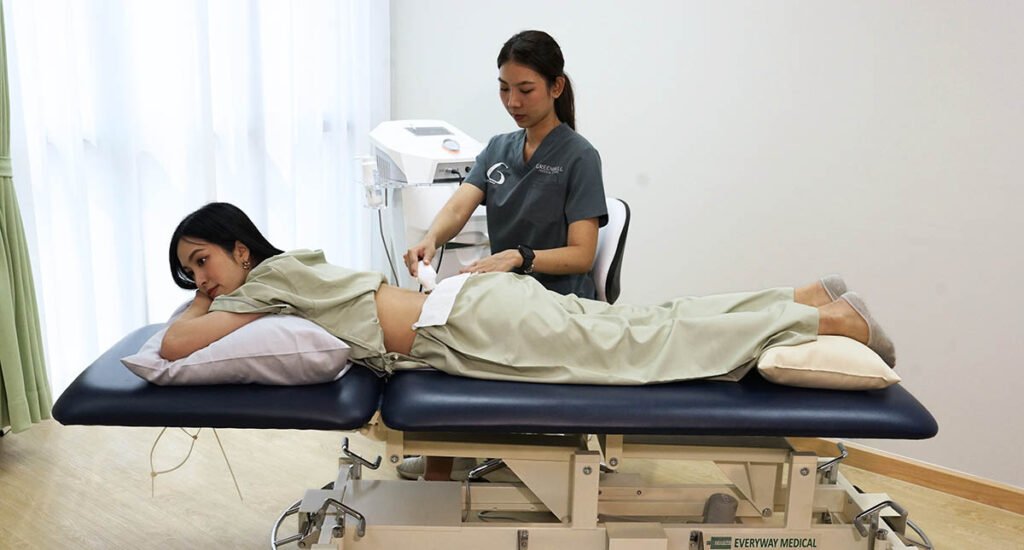
Ultrasound therapy is a safe and effective non-invasive treatment modality that utilizes high-frequency sound waves to promote healing and alleviate pain in various musculoskeletal conditions.
Dry Needle Therapy
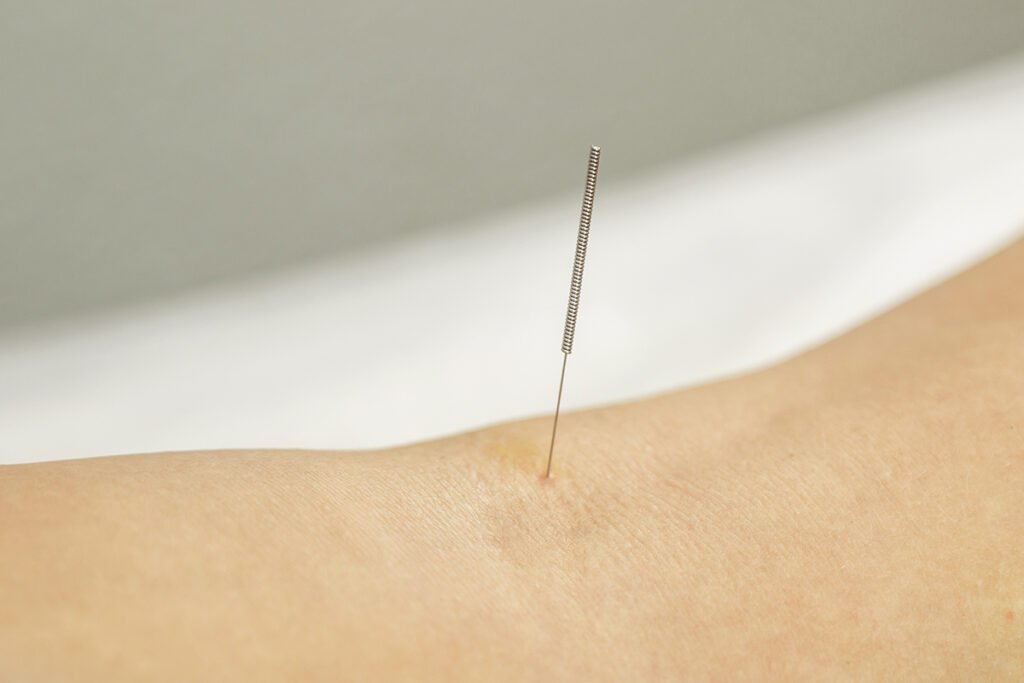
Dry needling is a therapeutic technique that involves inserting thin needles into the skin and underlying tissues, specifically targeting trigger points, muscle knots, or areas of tightness. Despite its similarity in technique to acupuncture, dry needling focuses on releasing tension in muscles and soft tissues rather than balancing energy flow, as in traditional Chinese medicine.
Electrical Stimulation
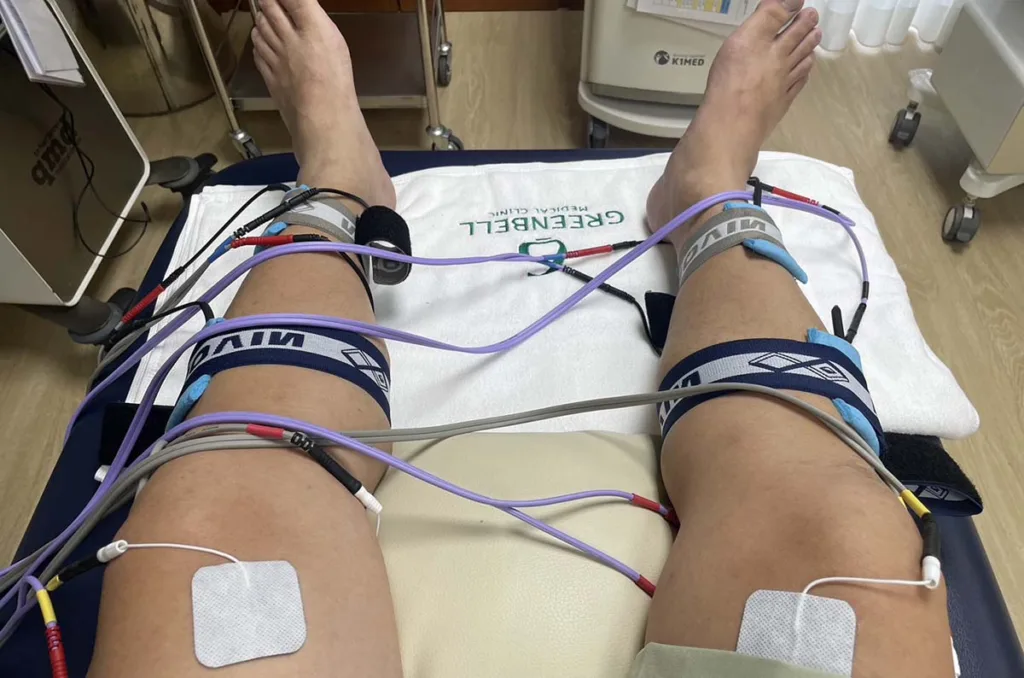
Electrical stimulation, also known as neuromuscular electrical stimulation (NMES) or electromyostimulation (EMS), is a therapeutic technique that involves the application of electrical currents to stimulate nerves and muscles. This method is commonly used in various medical and rehabilitative settings for therapeutic and diagnostic purposes. Here are some key aspects of electrical stimulation:
PMS Therapy

Peripheral magnetic stimulation (PMS) is a non-invasive treatment that uses magnetic fields to stimulate the nerves and muscles. It has been shown to be effective in treating a variety of conditions..