Bone Spurs (Osteophytes): Causes, Symptoms, Diagnosis, and Treatment
A bone spur, medically known as an osteophyte, is a bony growth that develops along the edges of bones, most commonly around joints. Bone spurs are particularly common with aging and are frequently associated with osteoarthritis, a condition in which the cartilage that cushions the joints gradually breaks down.
In everyday language, bone spurs are sometimes described as “calcium buildup on the bone” or “calcium deposits.” However, an osteophyte is not simply excess calcium accumulating on the bone. It is a form of new bone formation that develops as part of the bone and joint remodeling process, often in response to joint degeneration and mechanical stress.
Many bone spurs do not cause symptoms and may only be discovered incidentally on an X-ray. However, depending on their location and size, an osteophyte may contribute to pain, stiffness, restricted joint movement, or irritation and compression of nearby nerves.
Understanding what causes bone spurs, where they develop, what symptoms they can cause, and how they are treated can help you make informed decisions about your musculoskeletal health.

A bone spur, or osteophyte, is a bony growth that develops along the edges of bones, usually around joints. It is most commonly associated with osteoarthritis and age-related joint degeneration. Many bone spurs cause no symptoms, but some can contribute to pain, stiffness, restricted movement, or nerve compression depending on their location.
Key Takeaways
- A bone spur (osteophyte) is a bony growth that develops along the edges of bones, often around joints.
- Osteoarthritis is the most common cause of bone spurs, although aging, previous joint injury, and mechanical stress may also contribute.
- Many bone spurs do not cause symptoms and may be found incidentally during imaging.
- When symptoms occur, they may include joint pain, stiffness, reduced range of motion, or discomfort with movement.
- Bone spurs in the spine may narrow the space around the spinal cord or nerve roots and may cause radiating pain, numbness, tingling, or weakness.
- Treatment depends on the location and severity of symptoms and may include medication, physical therapy, activity modification, and, in selected cases, surgery.
What Is a Bone Spur?
A bone spur, or osteophyte, is a bony projection that develops along the edge of a bone. It most commonly occurs around joints affected by degenerative changes, particularly osteoarthritis.
Healthy joints are covered with articular cartilage, which helps bones move smoothly against one another and absorbs mechanical loads. When cartilage gradually deteriorates, the joint may undergo structural changes. As part of this remodeling process, new bone can form along the margins of the joint, resulting in an osteophyte.
Bone spurs can develop in many parts of the body, including the:
- Knee
- Hip
- Shoulder
- Hands and fingers
- Feet and heel
- Cervical spine (neck)
- Lumbar spine (lower back)
The presence of an osteophyte does not necessarily mean that a person has a painful condition. Many people have bone spurs without experiencing any symptoms.
Is a Bone Spur the Same as “Calcium Buildup on the Bone”?
The term “calcium buildup on the bone” is commonly used to describe a bone spur. However, medically, these terms should not be considered exactly equivalent.
An osteophyte is newly formed bone, rather than simply calcium accumulating on the surface of an existing bone. It typically develops along the margins of a joint or other areas affected by degenerative changes.
This is different from calcification or calcium deposits in soft tissues, which can occur in structures such as tendons and other tissues around a joint.
Therefore, having a bone spur does not necessarily mean that a person has “too much calcium” in their body or that they have consumed too much calcium.
The development of osteophytes is more closely associated with joint degeneration, osteoarthritis, aging, and mechanical factors than with elevated calcium levels in the blood.
What Causes Bone Spurs?
The most common cause of bone spurs is osteoarthritis.
Osteoarthritis causes the cartilage within a joint to gradually deteriorate. As the joint changes, the body undergoes a remodeling response that may include the formation of additional bone along the joint margins.
Other factors that may be associated with the development of osteophytes include:
1. Aging
Bone spurs become more common with age because degenerative changes in joints and the spine become more prevalent over time.
2. Osteoarthritis
Osteoarthritis is the most common condition associated with bone spur formation. As cartilage deteriorates, changes in the underlying bone and joint structure may lead to osteophyte formation.
3. Previous Joint Injury
A previous injury may contribute to changes in a joint and increase the risk of developing osteoarthritis later in life. This may subsequently contribute to osteophyte formation.
4. Repetitive Mechanical Stress
Repeated loading or mechanical stress may contribute to joint degeneration, particularly in joints that are repeatedly exposed to high levels of physical demand.
However, repetitive activity alone does not mean that a person will necessarily develop bone spurs. The overall condition of the joint and other risk factors also need to be considered.
Where Do Bone Spurs Develop?
Osteophytes can develop in many locations, but they are particularly common around joints affected by degenerative changes.
Bone Spurs in the Knee
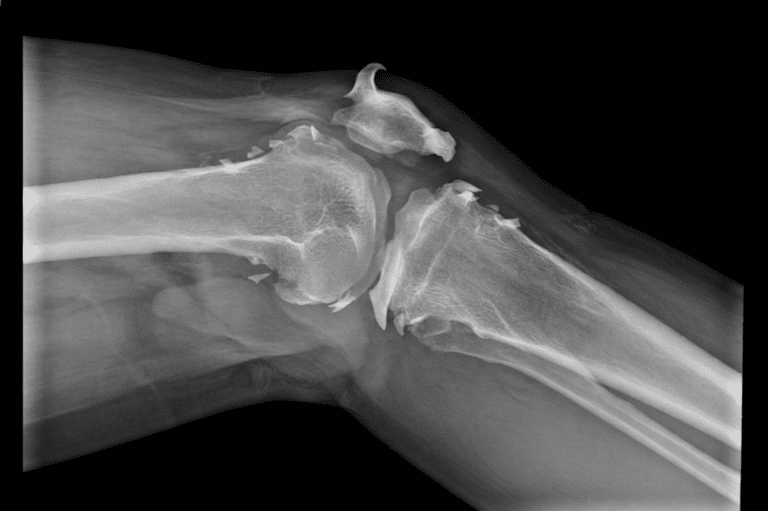
Knee osteophytes are commonly associated with knee osteoarthritis.
They may contribute to:
- Knee pain
- Joint stiffness
- Difficulty fully bending or straightening the knee
- Reduced range of motion
- Pain during walking or weight-bearing activities
X-rays may show osteophytes along with other structural changes associated with osteoarthritis.
Bone Spurs in the Hip
Hip osteophytes may occur as part of hip osteoarthritis.
Depending on their location and the severity of the joint degeneration, they may contribute to:
- Hip pain
- Stiffness
- Reduced hip movement
- Difficulty with activities such as walking or climbing stairs
Hip pain may sometimes be felt in other areas, including the thigh or knee.
Bone Spurs in the Shoulder
Osteophytes may develop around the shoulder joint, particularly in association with degenerative joint changes.
Depending on their location, they may contribute to:
- Shoulder pain
- Reduced range of motion
- Pain during certain shoulder movements
- Mechanical irritation of nearby structures
When an osteophyte contributes to mechanical narrowing around the rotator cuff, it may be associated with irritation of the surrounding tendons.
Bone Spurs in the Hands and Fingers
Osteophytes may develop around the small joints of the fingers.
Some people may notice:
- Hard, bony bumps around the finger joints
- Finger stiffness
- Pain or tenderness
- Reduced joint movement
The appearance and symptoms depend on which joints are affected and whether osteoarthritis is present.
Bone Spurs in the Foot and Heel
Bone spurs can develop around the heel and other areas of the foot.
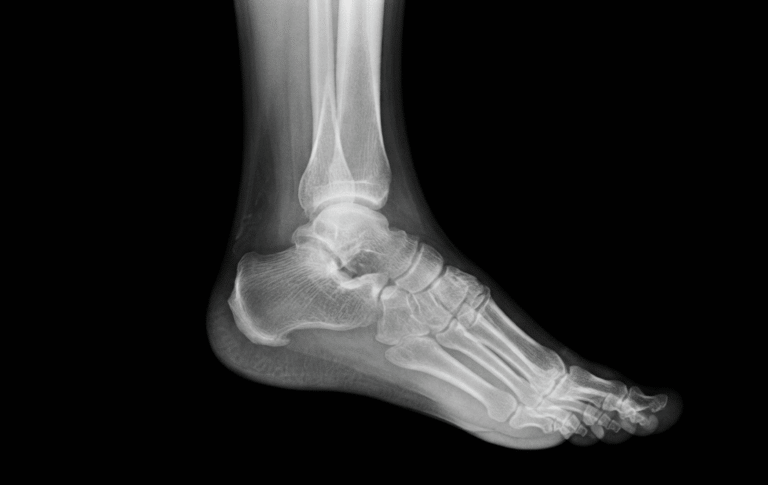
A heel spur is a bony growth that develops at the heel. Heel spurs can occur in people with plantar fasciitis or Achilles tendon disorders, but the presence of a spur does not necessarily mean that it is the cause of heel pain.
This distinction is important because treatment should focus on the underlying cause of symptoms rather than the X-ray finding alone.
Bone Spurs in the Spine
Osteophytes commonly develop in the cervical spine (neck) and lumbar spine (lower back) as part of age-related and degenerative changes.
Many spinal bone spurs do not cause symptoms. However, if an osteophyte contributes to narrowing of the spinal canal or the openings through which spinal nerves pass, it may irritate or compress the spinal cord or nerve roots.
Possible symptoms include:
- Neck or back pain
- Pain radiating into an arm or leg
- Numbness or tingling
- Muscle weakness
- Changes in walking or balance in some cases
Spinal osteophytes can be one of several structural changes associated with spinal stenosis. Other factors, such as herniated discs or thickened ligaments, can also contribute to narrowing of the spinal canal.
What Are the Symptoms of a Bone Spur?
Many people with bone spurs have no symptoms at all.
An osteophyte may be discovered incidentally when an X-ray is performed for another medical reason. When symptoms do occur, they depend on the location of the bone spur and whether it affects the surrounding joint, soft tissues, or nerves.
Possible symptoms include:
- Localized joint pain
- Joint stiffness
- Reduced range of motion
- Pain or discomfort during movement
- Difficulty moving the affected joint
- A hard, bony prominence around a joint
- Radiating pain
- Numbness or tingling
- Muscle weakness when a nerve is affected
Importantly, the presence of a bone spur on an X-ray does not automatically mean that the bone spur is responsible for the pain.
A healthcare professional should consider the imaging findings together with the patient’s symptoms and physical examination.
How Are Bone Spurs Diagnosed?
Diagnosis usually begins with a medical history and physical examination.
A healthcare professional may assess:
- The location and characteristics of pain
- Joint range of motion
- Muscle strength
- Sensation
- Joint stability
- Neurological function when spinal symptoms are present
X-Ray
An X-ray is commonly used to identify bone spurs and other structural changes in bones and joints.
X-rays can show osteophytes as well as changes associated with osteoarthritis, such as narrowing of the joint space.
MRI
An MRI (magnetic resonance imaging) may be recommended when additional information about soft tissues or neurological structures is needed.
For example, an MRI can help evaluate structures such as:
- Intervertebral discs
- Ligaments
- Spinal cord
- Nerve roots
- Tendons and other soft tissues
MRI is particularly useful when symptoms suggest possible nerve or spinal cord involvement.
CT Scan
A CT (computed tomography) scan may provide more detailed images of bone and can be useful in selected cases, particularly when evaluating complex bony structures.
The choice of imaging depends on the patient’s symptoms, physical examination findings, and suspected underlying condition.
How Are Bone Spurs Treated?
Not every bone spur requires treatment.
If an osteophyte does not cause symptoms or functional problems, treatment may not be necessary.
When symptoms are present, treatment focuses on managing pain, improving function, and addressing the underlying condition. The appropriate approach depends on the location and severity of symptoms.
1. Medication
Depending on the individual’s condition, a healthcare professional may recommend medication to help manage pain and inflammation.
The choice of medication should take into account the patient’s medical history, other medications, and potential risks.
2. Physical Therapy
Physical therapy may help improve joint mobility, flexibility, muscle strength, and movement patterns.
A physical therapist can develop an individualized rehabilitation program based on the affected joint and the patient’s functional limitations.
For people with spinal stenosis, physical therapy may focus on improving strength, flexibility, endurance, and functional movement.
3. Activity Modification
Modifying activities that aggravate symptoms may help reduce mechanical stress on the affected joint.
This does not necessarily mean complete rest. In many cases, maintaining appropriate physical activity and exercise is an important part of managing joint health.
4. Weight Management
For people with osteoarthritis affecting weight-bearing joints such as the knees or hips, maintaining a healthy body weight may help reduce stress on the joints and improve symptoms.
Weight management should be considered as part of an overall approach to joint health rather than as a direct method of removing a bone spur.
5. Surgery
Surgery may be considered when symptoms are severe, persistent, significantly interfere with daily activities, or when a bone spur contributes to significant compression of a nerve or other important structure.
Depending on the underlying condition and location, surgery may involve removing the bone spur or treating the affected joint or spinal structures.
However, the presence of a bone spur on an X-ray alone is generally not a reason for surgery. Treatment decisions should be based on symptoms, physical examination findings, functional limitations, and imaging results.
Can Bone Spurs Be Prevented?
There is no guaranteed way to prevent all bone spurs because their development is strongly associated with aging and degenerative joint changes.
However, maintaining good joint health may help reduce the risk of joint degeneration and manage symptoms.
Helpful strategies may include:
- Maintaining a healthy body weight
- Staying physically active
- Strengthening the muscles that support the joints
- Using proper movement techniques
- Avoiding unnecessary repetitive strain
- Managing previous joint injuries appropriately
- Seeking medical evaluation for persistent joint pain or stiffness
The goal is not necessarily to prevent every osteophyte from forming, but to maintain joint function, manage symptoms, and reduce the impact of degenerative joint conditions on daily life.
When Should You See a Doctor?
You should consider seeking medical evaluation if you have:
- Persistent or worsening joint pain
- Ongoing joint stiffness
- Difficulty moving a joint
- Pain that interferes with daily activities
- Chronic neck or back pain
- Pain that radiates into an arm or leg
- Numbness or tingling
- Muscle weakness
- Difficulty walking or maintaining balance
When spinal symptoms are accompanied by neurological changes such as weakness, numbness, or problems with walking, a medical evaluation is particularly important because these symptoms may indicate nerve or spinal cord involvement.
Frequently Asked Questions About Bone Spurs
Are bone spurs caused by too much calcium?
No. A bone spur is a growth of new bone, usually associated with joint degeneration such as osteoarthritis. It should not be assumed to be caused by consuming too much calcium or having excess calcium in the body.
Are bone spurs dangerous?
Most bone spurs are not dangerous and may cause no symptoms. However, an osteophyte can become clinically important if it interferes with joint movement or irritates or compresses nearby nerves or other tissues.
Can a bone spur go away on its own?
Bone spurs are structural bony growths and generally do not simply disappear on their own. However, symptoms can often be managed without removing the bone spur, depending on the underlying condition and severity.
Do all bone spurs require surgery?
No. Many bone spurs do not require treatment, and symptomatic cases are often initially managed with non-surgical approaches such as medication, physical therapy, and activity modification. Surgery may be considered in selected cases when symptoms remain significant or when important structures are being compressed.
Can physical therapy help with bone spurs?
Physical therapy may help manage symptoms associated with bone spurs by improving mobility, flexibility, muscle strength, and movement function. However, physical therapy does not physically remove the osteophyte. The treatment plan should be tailored to the underlying condition and the individual’s symptoms.
Can bone spurs cause pain in the arms or legs?
Yes, particularly when an osteophyte in the spine contributes to narrowing around a nerve root or the spinal cord. Depending on the location, this may cause radiating pain, numbness, tingling, or weakness in an arm or leg.
The Bottom Line: A Bone Spur Does Not Always Mean You Need Surgery
A bone spur (osteophyte) is a bony growth that commonly develops along the edges of joints and is frequently associated with osteoarthritis and other degenerative changes.
Although people often refer to bone spurs as “calcium buildup on the bone,” an osteophyte is not simply calcium deposited on the bone. It is newly formed bone that develops as part of the body’s remodeling response to changes in the joint.
Many bone spurs cause no symptoms and may not require treatment. When symptoms occur, the appropriate treatment depends on the location of the osteophyte, the underlying condition, and whether nearby joints, tendons, nerves, or other structures are affected.
If you are experiencing persistent joint pain, stiffness, restricted movement, chronic neck or back pain, or pain, numbness, or weakness that radiates into an arm or leg, an accurate medical assessment can help identify the underlying cause and determine an appropriate treatment plan.
At Greenbell Medical Clinic, patients can seek professional assessment and individualized care for musculoskeletal conditions. Depending on the underlying cause and clinical assessment, treatment may include appropriate rehabilitation and physical therapy to help manage pain, improve movement, and support daily function.
Persistent pain should not be ignored. Early assessment can help identify the underlying problem and guide appropriate care, helping you maintain mobility and quality of life.
Frequently Asked Questions
Can I continue running if I have shin pain?
It depends on the cause and severity of your symptoms. Mild discomfort may improve with temporary modifications to your training program. However, persistent or worsening pain should be evaluated by a healthcare professional. Continuing to run despite significant pain may increase the risk of more serious injuries.
Can acupuncture help relieve running-related muscle pain?
Evidence suggests that acupuncture may help reduce pain and improve function in certain musculoskeletal conditions. It is generally used as a complementary treatment alongside rehabilitation exercises and appropriate activity modification.
How many acupuncture sessions are usually recommended?
The number of treatment sessions depends on the type and severity of the injury, symptom duration, and individual response to treatment. A licensed practitioner can recommend an appropriate treatment plan following a clinical evaluation.
How is Tuina different from regular massage?
Unlike relaxation massage, Tuina is a therapeutic form of manual therapy within Traditional Chinese Medicine. It focuses on improving musculoskeletal function through targeted soft tissue techniques, joint mobilization, and therapeutic stretching based on an individual’s clinical presentation.
Is cupping therapy safe for runners?
Cupping therapy is generally considered safe when performed by appropriately trained healthcare professionals. However, it may not be suitable for individuals with certain skin conditions, bleeding disorders, or other medical conditions. A clinical evaluation is recommended before treatment.
How long does recovery from a muscle strain usually take?
Recovery time depends on the severity of the injury. Mild muscle strains may improve within one to three weeks, whereas moderate or more severe injuries may require several weeks or months of rehabilitation before returning to full activity.
Can Traditional Chinese Medicine replace physical therapy?
No. Traditional Chinese Medicine and physical therapy are complementary approaches rather than alternatives. Depending on the diagnosis, combining both treatments may provide a more comprehensive rehabilitation strategy.
How can I reduce my risk of future running injuries?
Maintaining good running technique, progressing training gradually, performing regular strength exercises, allowing adequate recovery, and seeking early treatment for persistent symptoms are among the most effective strategies for reducing injury risk.
Medical Disclaimer
This article is intended for educational purposes only and should not be considered a substitute for professional medical advice, diagnosis, or treatment. If you experience persistent pain, severe symptoms, or difficulty performing daily activities, consult a qualified healthcare professional for a comprehensive clinical evaluation and personalized treatment plan.
Contact US 👇
🌐 Offical Website : www.greenbellclinic.com
📌 IG : @greenbell_clinic
🟩 LINE Offical : @greenbell
⬛ TIKTOK : greenbellmedicalclinic
🟥 Youtube : Greenbell Medical Clinic