
Elderly Exercise
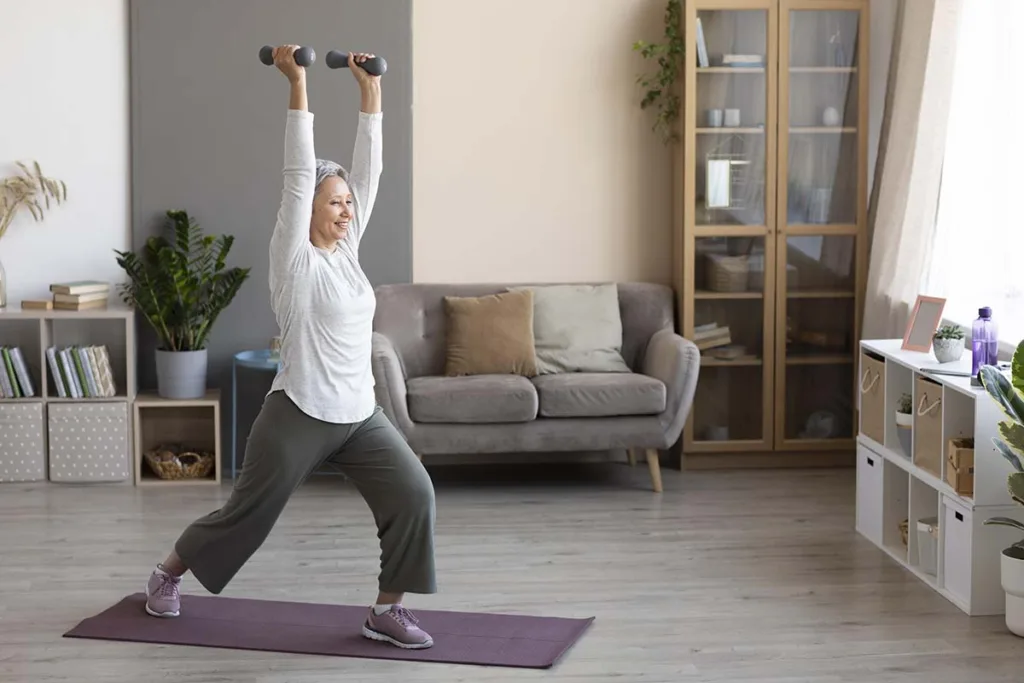
Elderly individuals may experience a decline in strength, flexibility, and balance, leading to increased vulnerability to falls and reduced independence.
Prevalence: Aging is associated with a natural decline in physical abilities, making exercise programs tailored for the elderly essential to maintain and improve overall health.
Signs and Symptoms: Symptoms may include generalized weakness, reduced mobility, and an increased risk of falls. Elderly exercise programs aim to address these issues and promote independence.
Complication: Lack of regular exercise in the elderly can contribute to a decline in functional abilities, an increased risk of falls, and potential complications related to sedentary lifestyles.
Service and Treatment: Our tailored exercise programs for the elderly focus on improving strength, flexibility, and balance. Through safe and enjoyable exercises, our physiotherapists aim to enhance independence, mobility, and overall quality of life in the golden years.
Women’s Health

Women’s health issues encompass a range of conditions, including pregnancy-related discomfort, pelvic floor issues, and musculoskeletal challenges specific to women. Symptoms may include pain, discomfort, and changes in functionality.
Prevalence: Women’s health concerns are prevalent across different age groups, with specific issues such as pelvic floor dysfunction affecting a significant portion of the female population.
Signs and Symptoms: Symptoms vary widely and can include pelvic pain, back pain during pregnancy, and musculoskeletal issues related to hormonal changes. Addressing these concerns is crucial for overall well-being.
Complication: Untreated women’s health issues can lead to persistent discomfort, challenges during pregnancy and childbirth, and potential long-term complications affecting pelvic health.
Service and Treatment: Our physiotherapy clinic prioritizes women’s health, offering specialized care and evidence-based interventions. From addressing pregnancy-related discomfort to pelvic floor issues, our physiotherapists empower women to achieve optimal physical well-being.
Foot Pain

Foot pain can be caused by various conditions, including plantar fasciitis, arthritis, or improper footwear. Symptoms may include localized pain, swelling, and difficulty in walking or standing.
Prevalence: Foot pain is widespread, affecting individuals of all ages. Prevalence rates vary based on factors such as age, activity level, and underlying health conditions.
Signs and Symptoms: Pain can range from mild to severe, with specific symptoms dependent on the underlying cause. Individuals may experience discomfort during weight-bearing activities or when wearing certain types of shoes.
Complication: Untreated foot pain can lead to altered gait patterns, reduced mobility, and potential complications such as chronic conditions or deformities.
Service and Treatment: Our physiotherapists specialize in treating various foot conditions, offering personalized interventions such as stretching exercises, gait analysis, and orthopedic support to alleviate pain and improve overall foot health.
Wrist Pain

Wrist pain can result from various conditions, including repetitive strain injuries, overuse, or underlying joint issues. Symptoms may include pain, swelling, and difficulty in gripping or using the hand.
Prevalence: Wrist pain is prevalent, especially among individuals engaged in repetitive activities. Prevalence rates vary based on age, occupation, and lifestyle factors.
Signs and Symptoms: Pain may be sharp or dull, and individuals may experience stiffness, swelling, or a clicking sensation in the wrist joint. Wrist pain can significantly impact daily activities.
Complication: Untreated wrist pain can lead to chronic issues, reduced hand function, and potential complications such as carpal tunnel syndrome or arthritis.
Service and Treatment: Our physiotherapy approach involves a detailed examination of the wrist, incorporating therapeutic exercises, joint mobilization, and ergonomic advice. By addressing the specific needs of the wrist, we aim to reduce pain and enhance overall wrist function.
Numbness
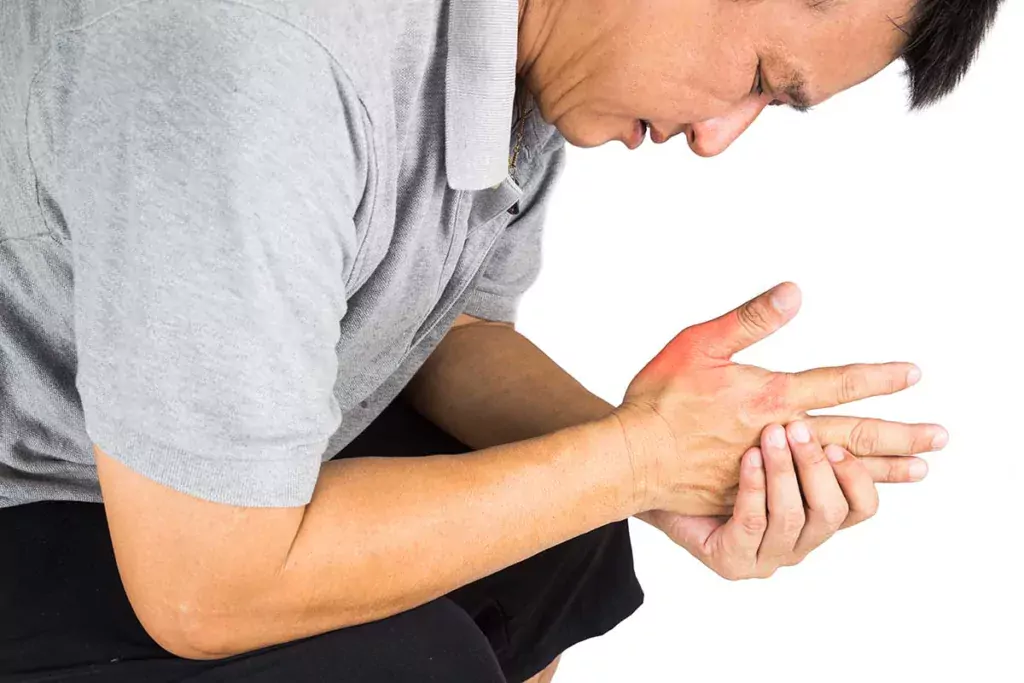
Numbness is characterized by a lack of sensation in specific body parts, often accompanied by tingling or a “pins and needles” sensation. It can result from conditions such as peripheral neuropathy, nerve compression, or circulation issues.
Prevalence: Numbness can affect individuals of all ages, with the prevalence varying depending on the underlying cause. For example, peripheral neuropathy is estimated to affect 2-7% of the general population, with higher prevalence in older age groups.
Signs and Symptoms: Numbness is often associated with tingling sensations, and it may progress to a complete loss of sensation in the affected areas. It can impact daily activities and may be indicative of nerve-related issues.
Complication: Untreated numbness may lead to functional impairments and reduce the individual’s quality of life. Additionally, it is crucial to address the underlying cause to prevent potential complications related to nerve damage.
Service and Treatment: Our physiotherapy clinic conducts thorough assessments to identify the root cause of numbness. Treatment plans may include targeted exercises, manual therapy, and nerve mobilization techniques, with the goal of alleviating numbness and improving sensory function.
Stroke Rehabilitation
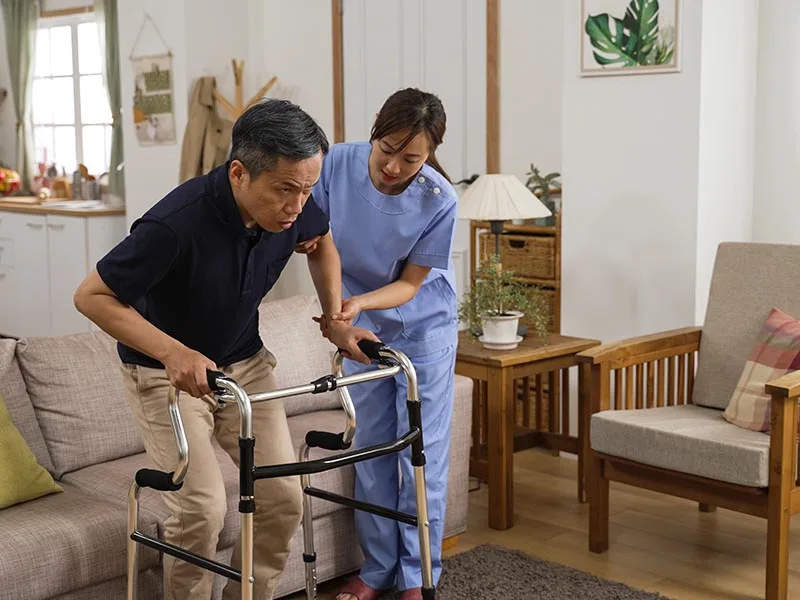
Stroke survivors may experience a range of symptoms, including motor deficits, balance issues, and difficulty in performing daily activities.
Prevalence: Stroke is a significant health concern, with an estimated 15 million people worldwide experiencing a stroke each year. Rehabilitation needs vary based on the severity of the stroke and individual factors.
Signs and Symptoms: Symptoms vary but often include muscle weakness, loss of coordination, and challenges in balance and mobility.
Complication: Lack of rehabilitation can lead to persistent functional limitations, reduced quality of life, and potential long-term disability.
Service and Treatment: Our specialized stroke rehabilitation programs focus on enhancing motor skills, balance, and overall quality of life through evidence-based exercises and therapies.
Neck Pain

Neck pain manifests as discomfort, stiffness, and reduced range of motion in the cervical spine. It can result from muscle imbalances, poor posture, or injuries.
Prevalence: Neck pain is prevalent across all age groups, with lifetime prevalence estimates ranging from 30-50%. It is more common in women than in men.
Signs and Symptoms: Pain can be dull or sharp, with accompanying muscle tightness. Individuals may experience headaches, difficulty turning the head, and discomfort during prolonged sitting.
Complication: Untreated neck pain can lead to chronic issues, affecting daily activities and potentially contributing to headaches and shoulder pain.
Service and Treatment: Our physiotherapy team takes a meticulous approach, addressing the root causes of neck pain through targeted exercises, manual therapy, and posture correction.
Herniated Disc / HNP

Herniated discs result in back pain, often accompanied by radiating pain, numbness, or tingling in the extremities.
Prevalence: Herniated discs are relatively common, particularly in older age groups. Studies suggest that around 1-5% of the population may be affected by symptomatic herniated discs.
Signs and Symptoms: Pain can be sharp or throbbing, with additional symptoms like muscle weakness and changes in reflexes. Symptoms may worsen with certain movements.
Complication: Left untreated, a herniated disc can lead to persistent pain, nerve damage, and potential long-term disability.
Service and Treatment: Our physiotherapists employ proven techniques, including targeted exercises and manual therapy, to manage symptoms effectively. Our approach aims at relieving pain and enhancing spinal health.
Plantar Fasciitis
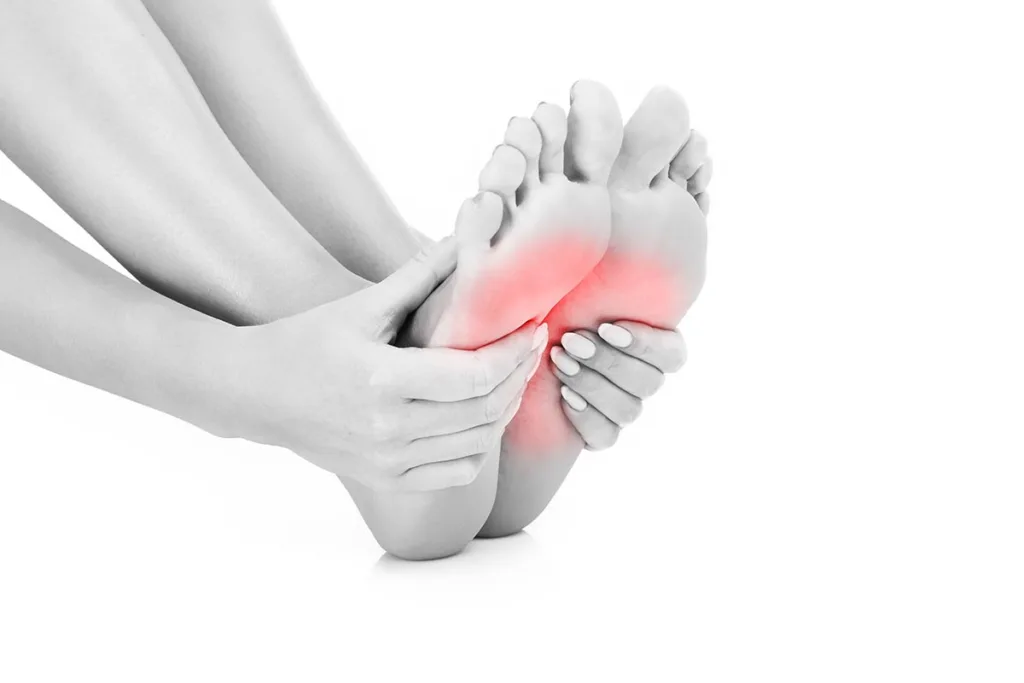
Plantar fasciitis causes sharp heel pain, especially during the first steps in the morning. It often involves inflammation of the tissue connecting the heel bone to the toes.
Prevalence: Plantar fasciitis is a common foot condition, affecting around 10% of the population. It is more prevalent in individuals aged 40-60 and is slightly more common in women than men.
Signs and Symptoms: Pain is sharp and stabbing, concentrated in the heel. Discomfort may increase after prolonged standing or walking.
Complication: Without intervention, plantar fasciitis can become chronic, leading to persistent pain and potential alterations in walking patterns.
Service and Treatment: Our physiotherapy services target plantar fasciitis with stretching exercises, manual therapy with cutting edge technology, and biomechanical assessments. Our goal is not only pain relief but also the prevention of recurrence.
Knee Pain
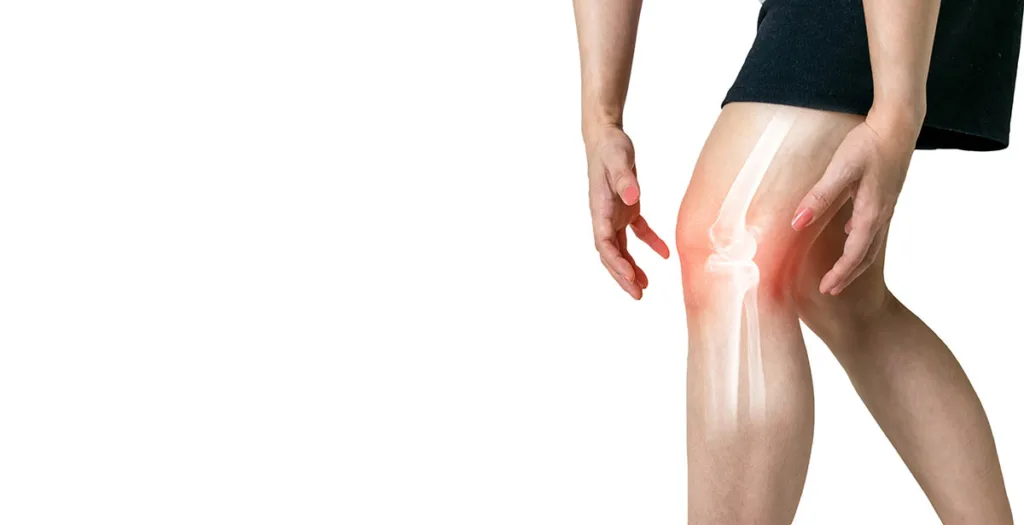
Knee pain presents as discomfort, swelling, and difficulty bearing weight on the affected knee. It can result from injuries, overexertion, or degenerative conditions.
Prevalence:
Knee pain is widespread and affects people of all ages. According to estimates, about 25% of adults experience knee pain, with prevalence increasing with age.
Signs and Symptoms:
The pain may be sharp or dull, accompanied by swelling and instability. Stiffness and difficulty in bending or straightening the knee are common symptoms.
Complication:
Untreated knee pain can lead to worsening joint damage, reduced mobility, and the development of chronic conditions like osteoarthritis.
Service and Treatment:
Our physiotherapy clinic specializes in comprehensive rehabilitation programs, addressing the underlying causes of knee pain through targeted exercises, joint mobilization, and evidence-based therapies.